Malta Buses

Austin CXB chassis with Plaxton body (1949). Part of the heritage fleet operated by Supreme Travel / Cancu for private hire and special tours, sporting the distinctive green-and-cream private/tourist livery: Godwin Borg, CC BY-SA 4.0, via Wikimedia Commons

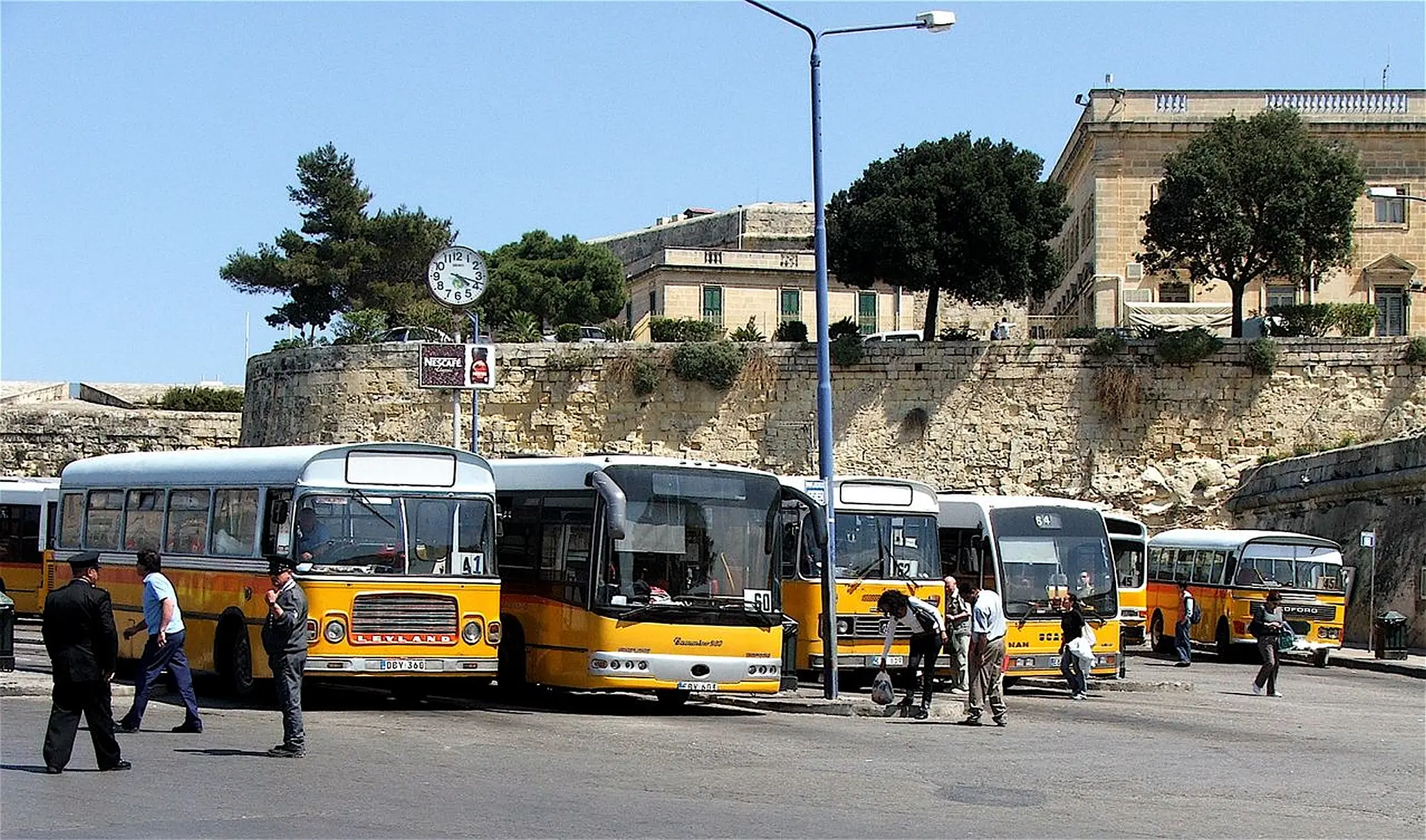
Floriana Bus Terminus Malta (2009): KNOW MALTA by Peter Grima, CC BY-SA 2.0, via Wikimedia Commons
Click image to enlarge
.jpg)
History of Malta Buses #
-
1856: Things got rolling when a chap named Ċensu Attard brought the very first horse-drawn omnibus over from England to test out scheduled road travel.
-
1883: The island’s railways officially kicked off with the opening of a single-track, metre gauge line connecting commuters from Valletta all the way out to Mdina and Rabat.
-
1905: Motorised travel truly arrived when the Malta Motor Omnibus and Transport Syndicate introduced the first motor buses, blazing new trails between Valletta, St. Julian’s, and Sliema.
-
1905: Electric trams also made their debut, linking up the Three Cities, Birkirkara, and Żebbuġ, though they couldn’t quite keep up with the booming bus network and ended up closing down by 1929.
-
1931: Following years of rapid, independent growth that saw the bus count skyrocket to 385 vehicles, the Traffic Control Board stepped in to bring some order with proper timetables, safety rules, and route colours.
-
1931: Sadly, the 31st of March marked the final run for the Malta Railway, as it simply couldn’t survive the fierce competition from the growing fleet of motor buses.
-
1977: Tired of decades of cut throat rivalry and fragmented operations, local drivers finally banded together, pooling all route buses into a cooperative known as the Public Transport Association (ATP).
-
1995: The iconic traditional look became official, standardising the fleet into a bright yellow lower body and white upper body separated by a snappy red stripe beneath the windows.
-
2011: In July, a massive shake-up hit the island when Arriva took over, swapping out the beloved colourful fleet of aging independent buses for a unified lineup of modern low-floor vehicles.
-
2013 to 2015: After some bumpy operational years under Arriva, the service ran briefly under state management before being taken over by Autobuses Urbanos de León, rebranding as Malta Public Transport and rolling out the fresh white, green, and blue livery alongside the Tallinja card system.
-
Present Day: Sleek modern single-deckers and newer electric models from makers like King Long and Otokar now handle the daily grind across the islands, while the classic heritage buses are lovingly kept alive for private hires and special tours.
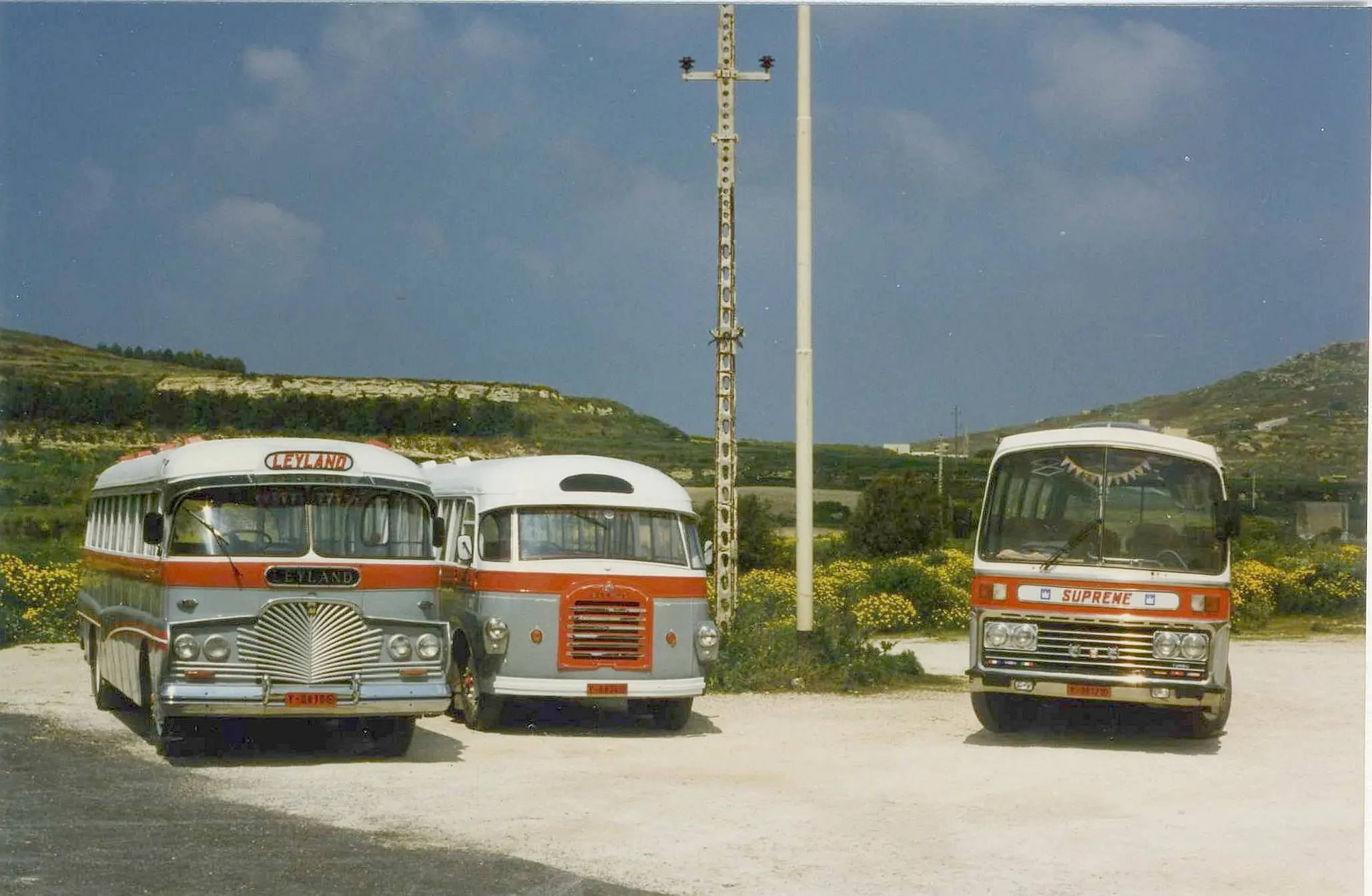
Left to right Y-0810 ex-1126 ; Y-0834 ex-31503 ; Y-0812 which replaced Thames 41278. Parked by the road between VIctoria and Marsalforn. (April 1996): Felix O, CC BY-SA 2.0, via Wikimedia Commons
Click image to enlarge

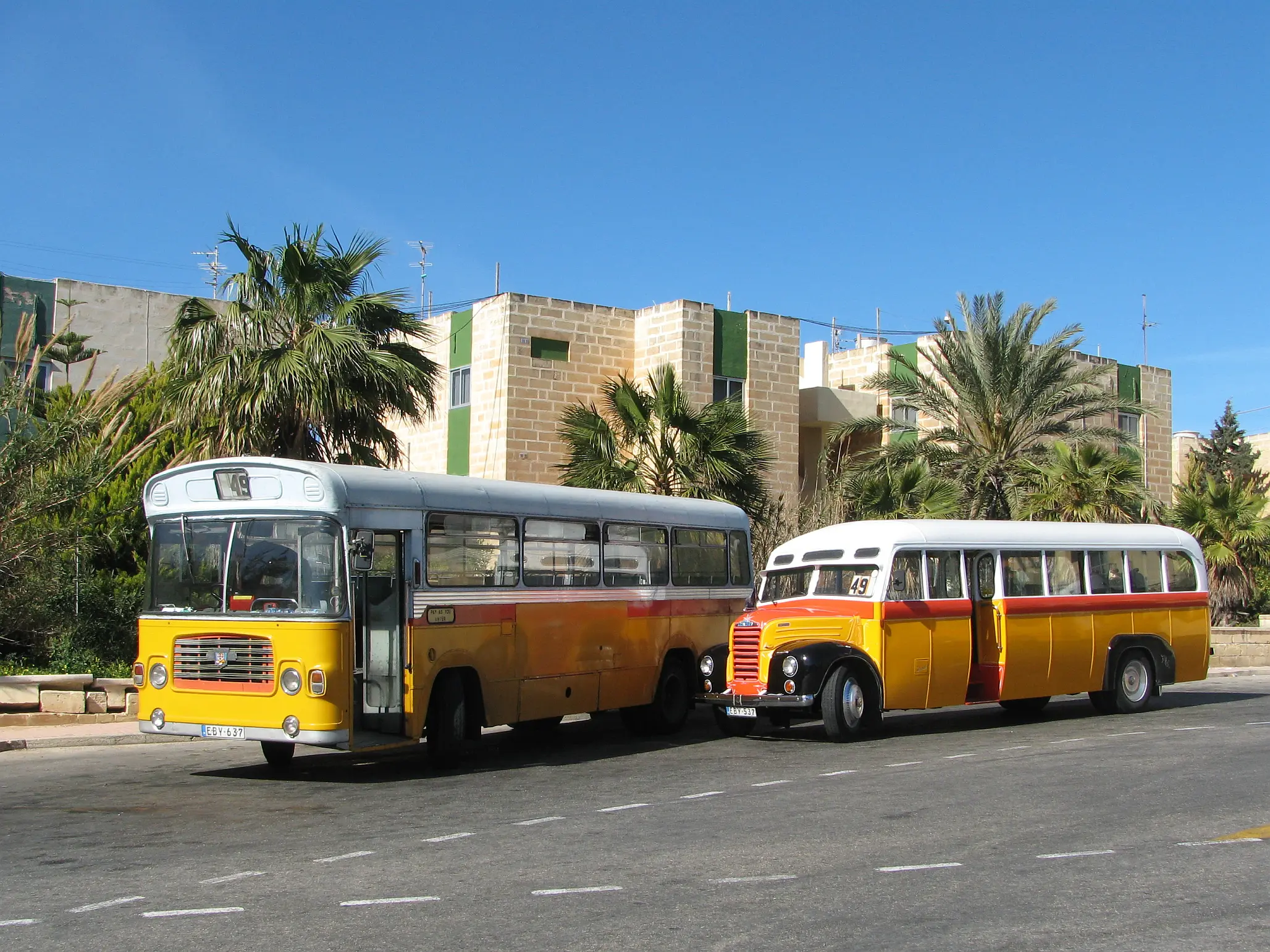
This photograph captures a classic roadside scene featuring two vintage Maltese route buses showcasing the traditional orange, yellow, and white livery. Both display route number 49 (which historically served Valletta to Għajn Tuffieħa). Bedford chassis: Ed Webster, CC BY 2.0, via Wikimedia Commons
Click image to enlarge
.jpg)
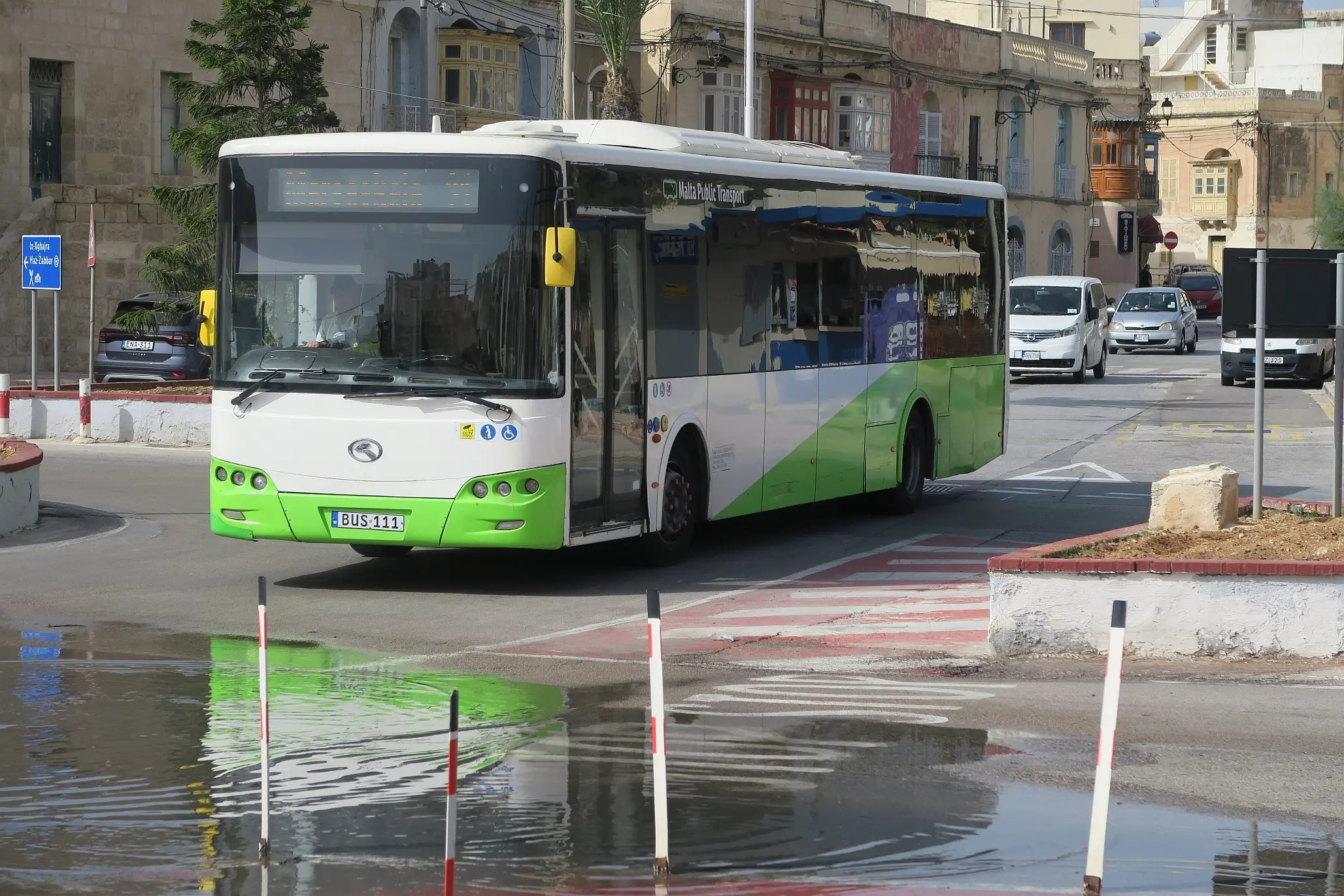
A modern low-floor single-deck city bus operated by Malta Public Transport. King Long (XMQ series low-floor layout). King Long integrated bodywork:Kk70088, CC BY 4.0, via Wikimedia Commons
Click image to enlarge

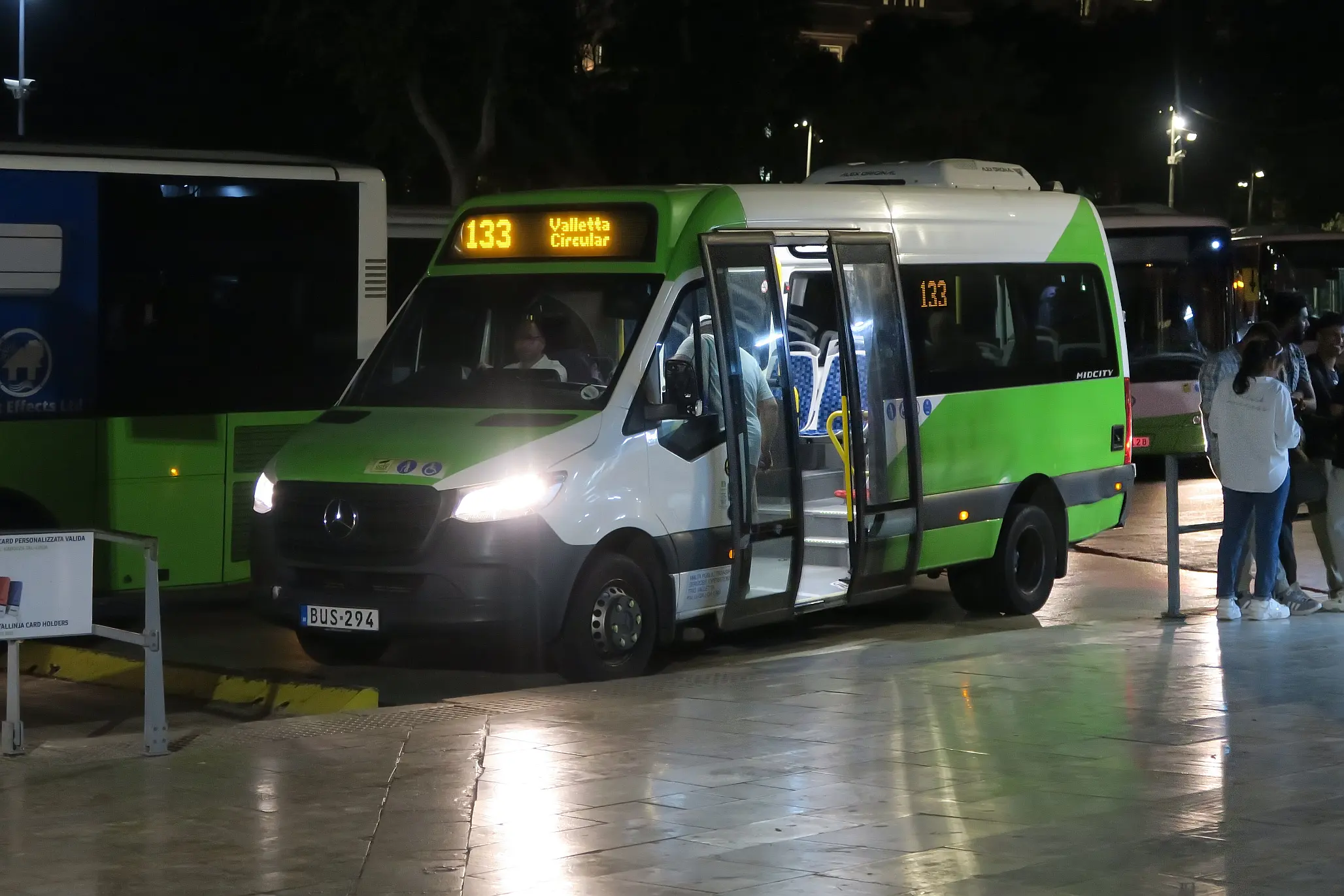
Mercedes Benz Sprinter 516CDi with VDL body about to depart Valletta bus station. : Kk70088, CC BY 4.0, via Wikimedia Commons
Click image to enlarge
