Karrier Motors
Karrier Motors logo: Here, Public domain,
via Wikimedia Commons

Founded in 1908 in Huddersfield, Karrier Motors was a British maker of innovative buses, trolleybuses, and municipal lorries before joining Rootes in 1934.
The Ashton 8 #
On my visit to the Museum of Transport Greater Manchester last year, I was so impressed by the renovation work done on this 1928 Ashton 8 and the story behind it. I would have loved to have taken more photographs, but the vehicle was locked and I was short on time. Read the fascinating history of this handsome bus on the second image below.
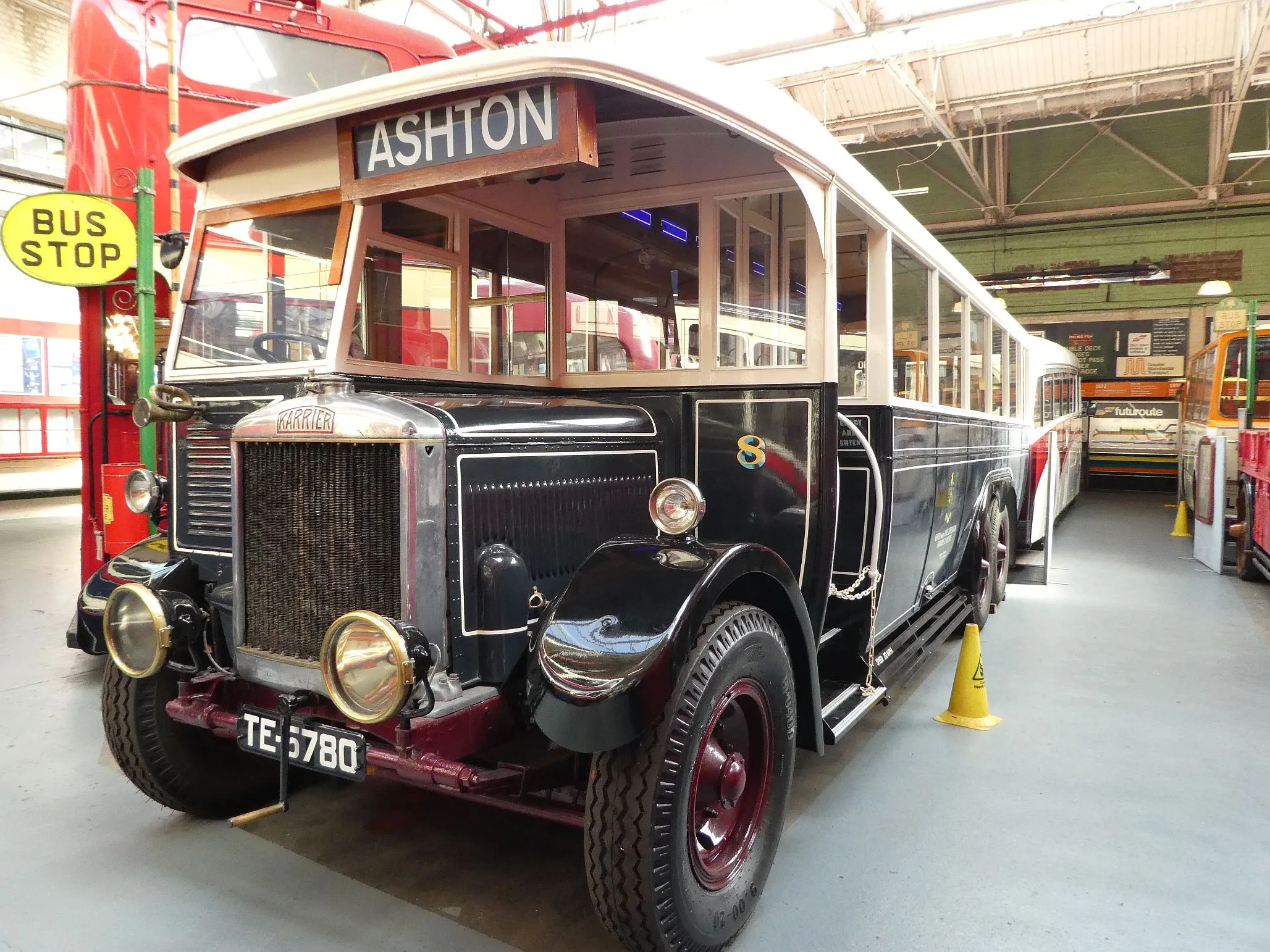
 Ashton 8 (Karrier Motors 1928): Museum of Transport Greater Manchester
Click image to enlarge
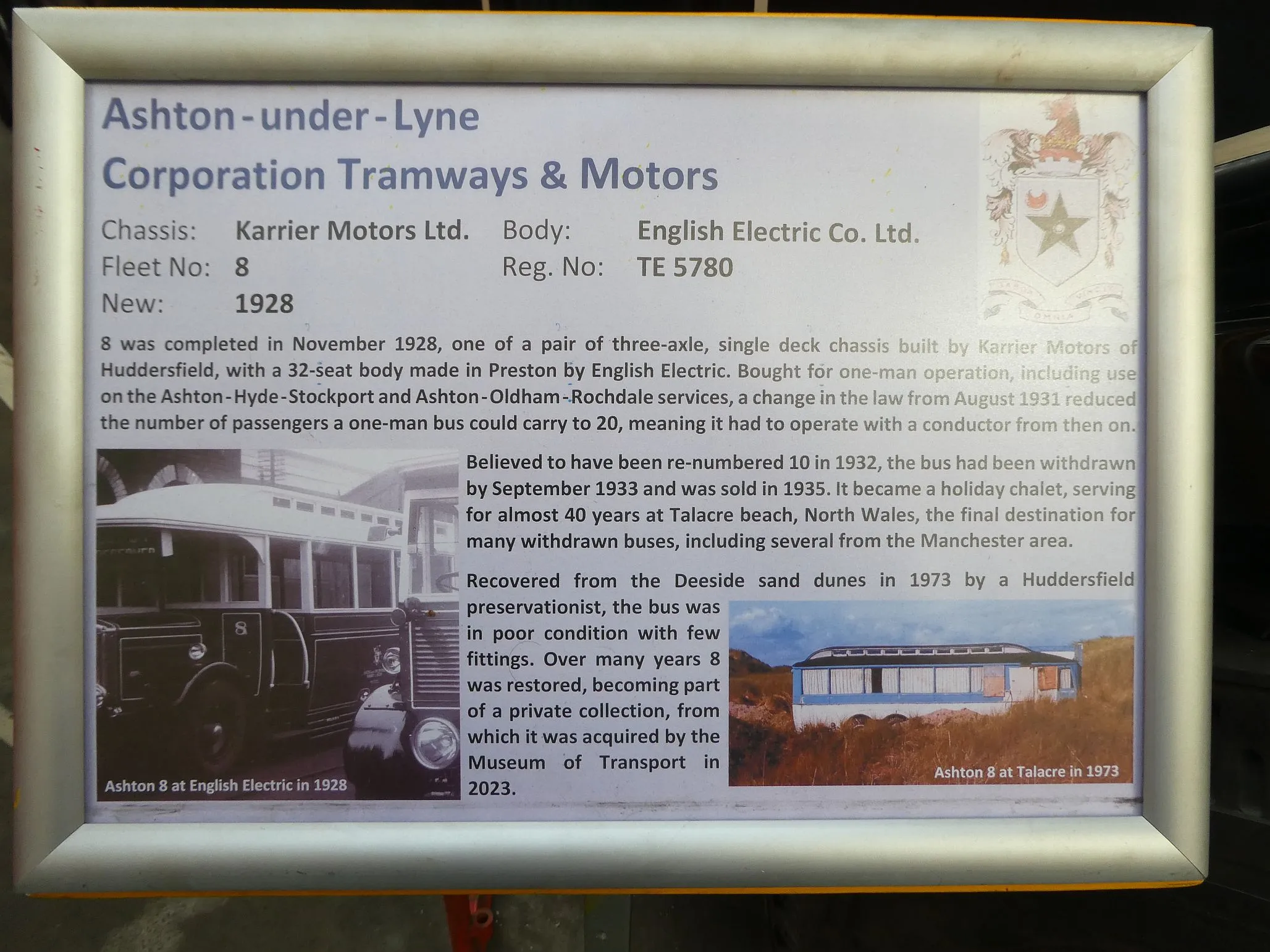
Text © The Museum of Transport Greater Manchester
Click image to enlarge
History of Karrier Motors (1904 to 1934) #
- 1904: Herbert Fitzroy Clayton forms Clayton & Co. (Huddersfield) Limited in West Yorkshire, evolving out of an earlier engineering partnership.
- 1907: Joined by Herbert’s son, Reginald Fitzroy Clayton, the company builds its first commercial motor chassis in Queen Street South, Huddersfield.
- 1908: The brand name Karrier is introduced for their new petrol engine lorries and early charabancs.
- 1914: With the outbreak of WWI, the War Office orders thousands of Karrier B4 subsidy lorries. Over 2,000 chassis are manufactured for military transport in France and Flanders.
- 1920: The motor manufacturing division is spun off into a new public company, Karrier Motors Limited. The factory expands to new premises at St. Thomas’s Road, Huddersfield.
- 1922: Karrier introduces the C-type and CX-type chassis for lighter 30cwt loads or small 14-seat charabancs, alongside heavy goods chassis.
- 1925: Karrier introduces the CYL model featuring a drop-frame chassis, establishing a dedicated separation between passenger and commercial goods chassis.
- 1926: Launch of the popular JKL normal-control chassis for single-deck buses (up to 32 seats).
- 1928: Karrier becomes a pioneer in rigid six-wheeled (three-axle) vehicle design. They launch the WL6 (used for passenger coaches and double-deckers) and partner with electrical engineers Clough, Smith & Co. to produce Karrier-Clough six-wheel trolleybuses.
- 1930: Karrier develops three-wheeled “mechanical horse” tractors for local councils and railways, introducing the Colt dustcart chassis and the Cob tractor (engineered with the LMS Railway to haul converted horse-drawn trailers).
- 1931: The Road Traffic Act regulations change, capping one-man operated buses to a maximum of 20 passengers. This heavily restricts larger single-deckers like Ashton No. 8, forcing operators to assign conductors.
- 1934: The Rootes Group acquires Karrier Motors Ltd. Rootes closes the Huddersfield works, moves assembly to Luton alongside Commer, and refocuses the Karrier brand strictly on municipal vehicles (such as the Bantam, Gamecock, and trolleybuses).
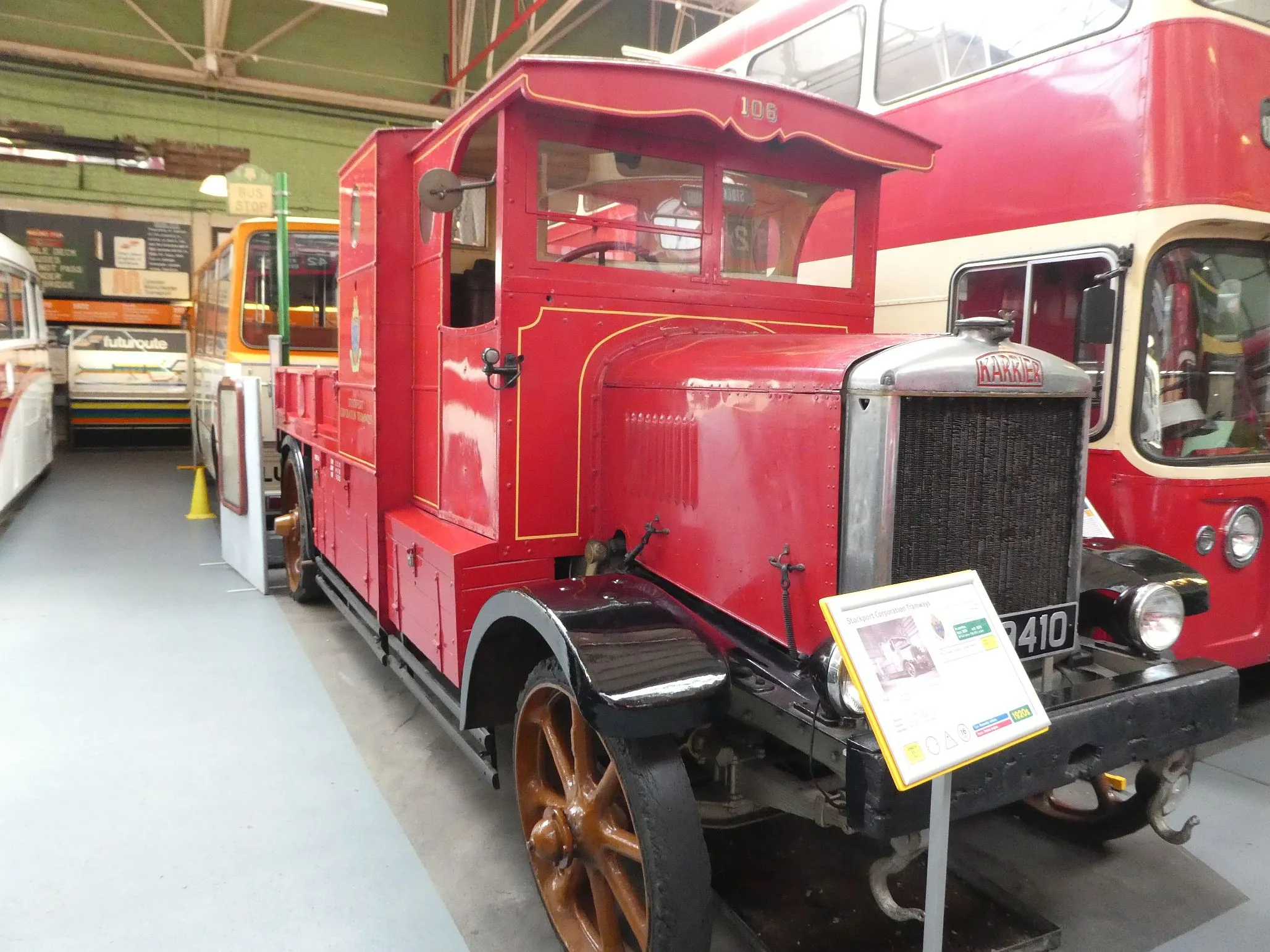
Karrier K5 (1926): Museum of Transport Greater Manchester
Click image to enlarge
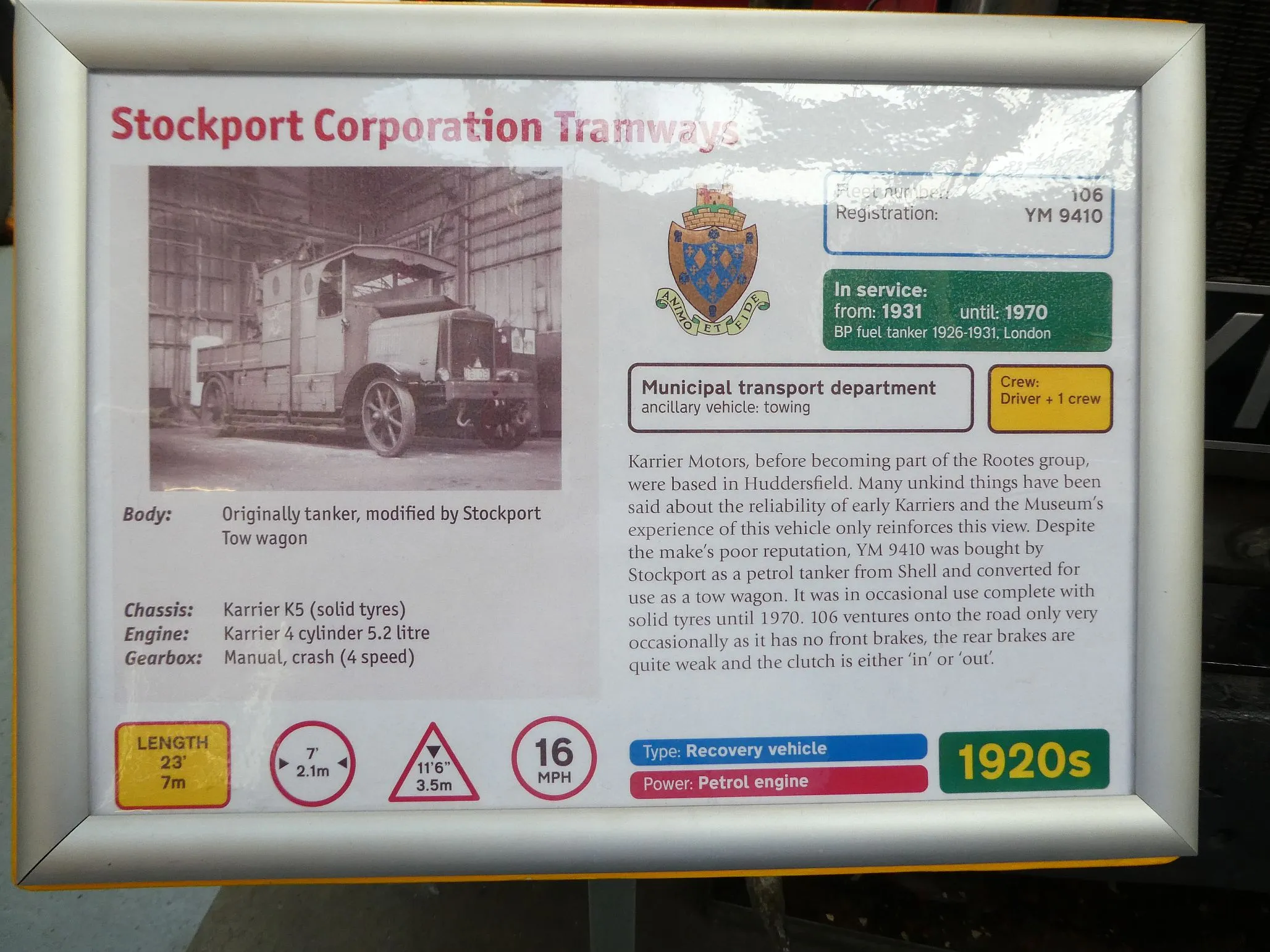
Text © The Museum of Transport Greater Manchester
Click image to enlarge
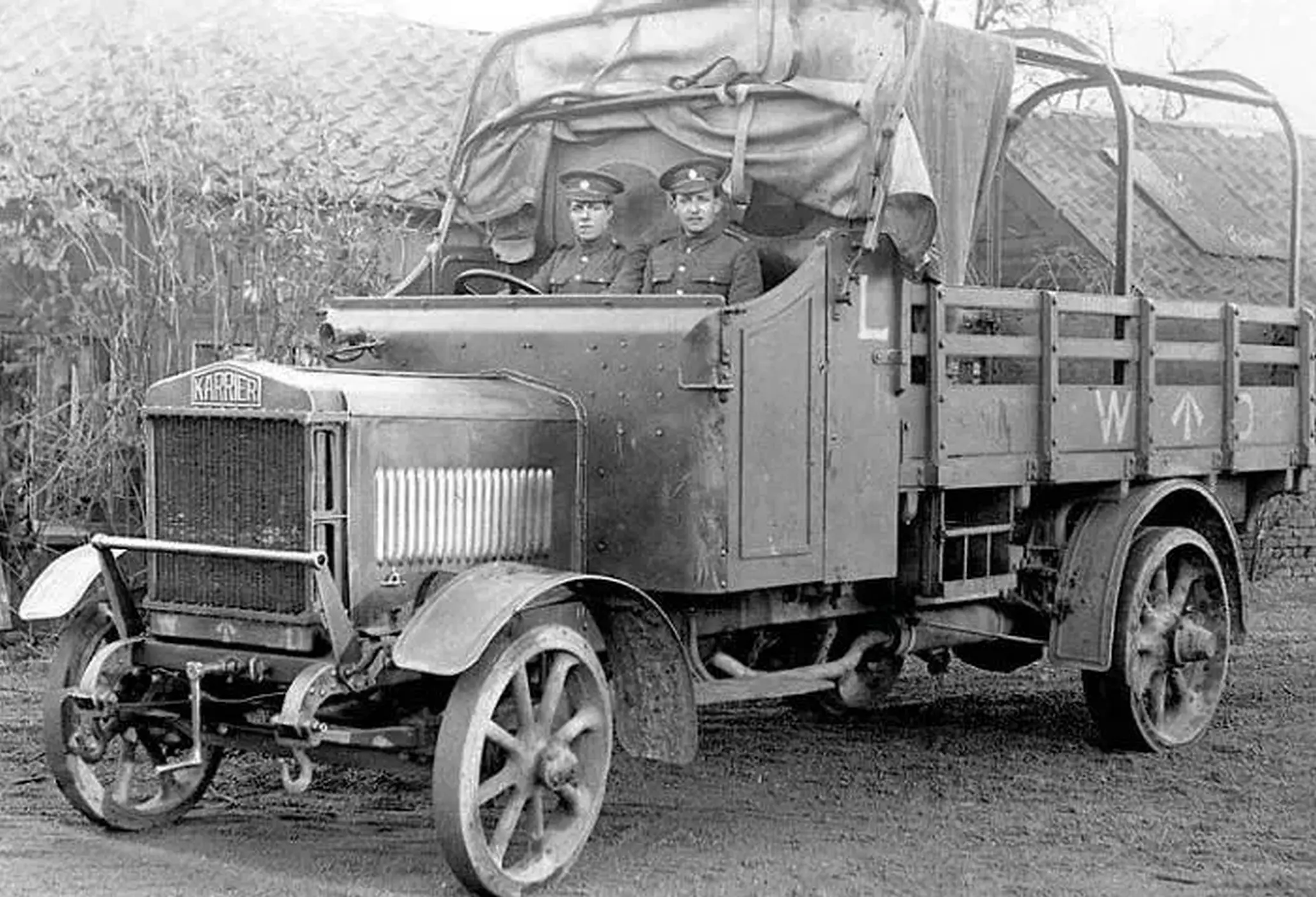
Karrier WDS 3 ton lorry (1914-1918): See page for author
Public domain, via Wikimedia Commons
Click image to enlarge

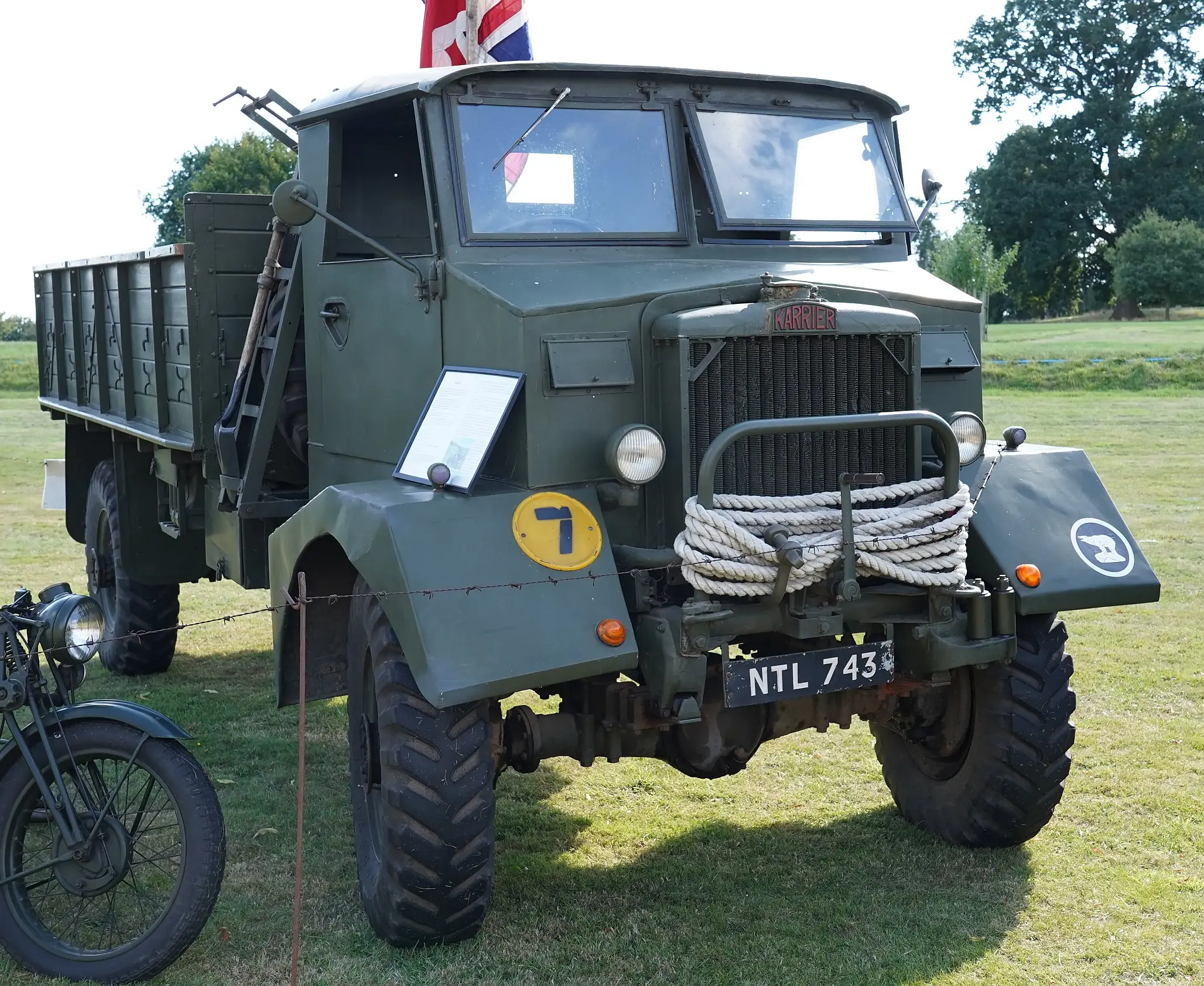
Karrier K6 reg NTL743 (1943): kitmasterbloke, CC BY 2.0, via Wikimedia Commons
Click image to enlarge

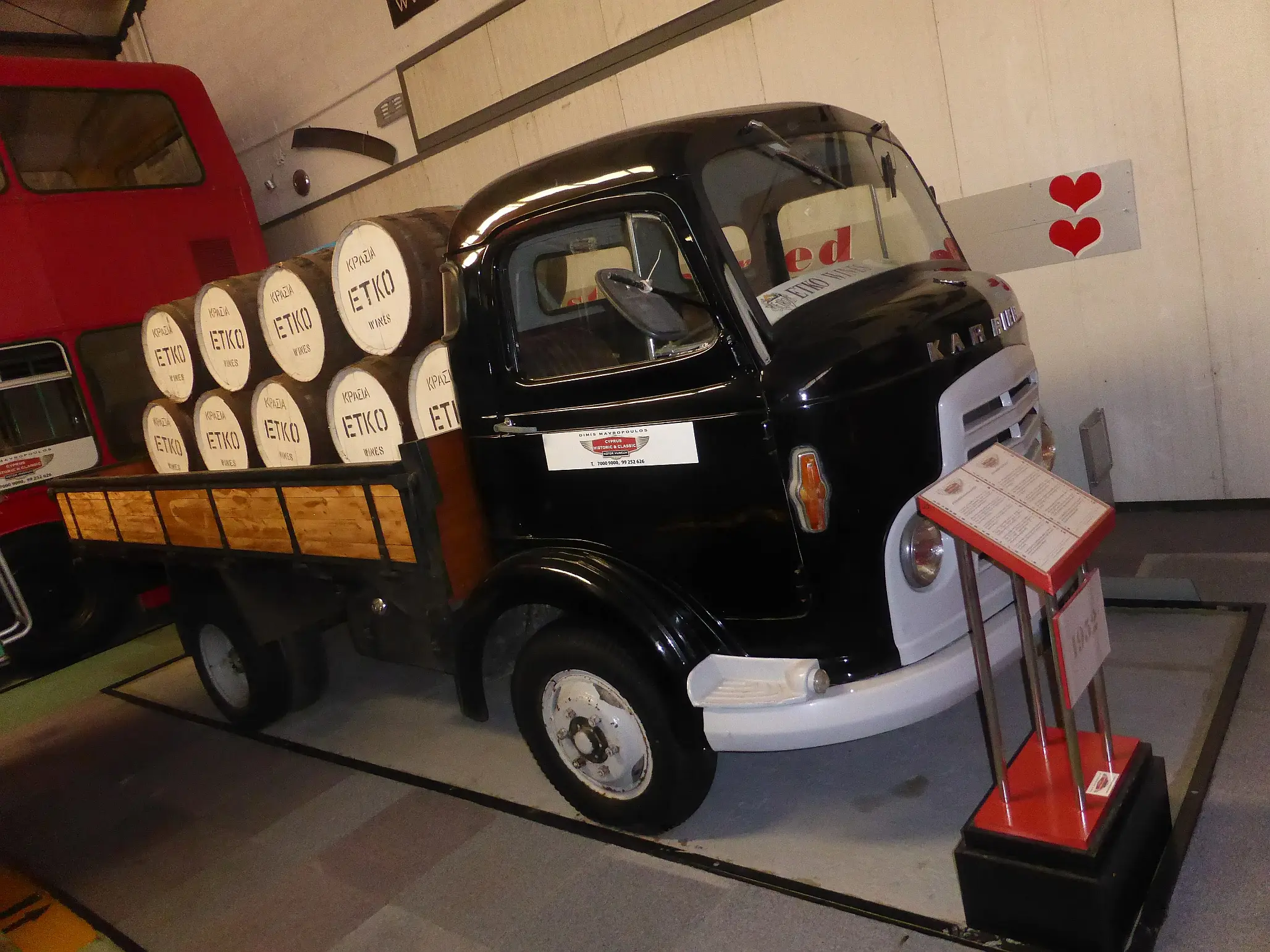
Karrier Bantam Etko winery truck (1952): Andrew Bone from Weymouth, England, CC BY 2.0, via Wikimedia Commons
Click image to enlarge
_(37213497870).jpg)
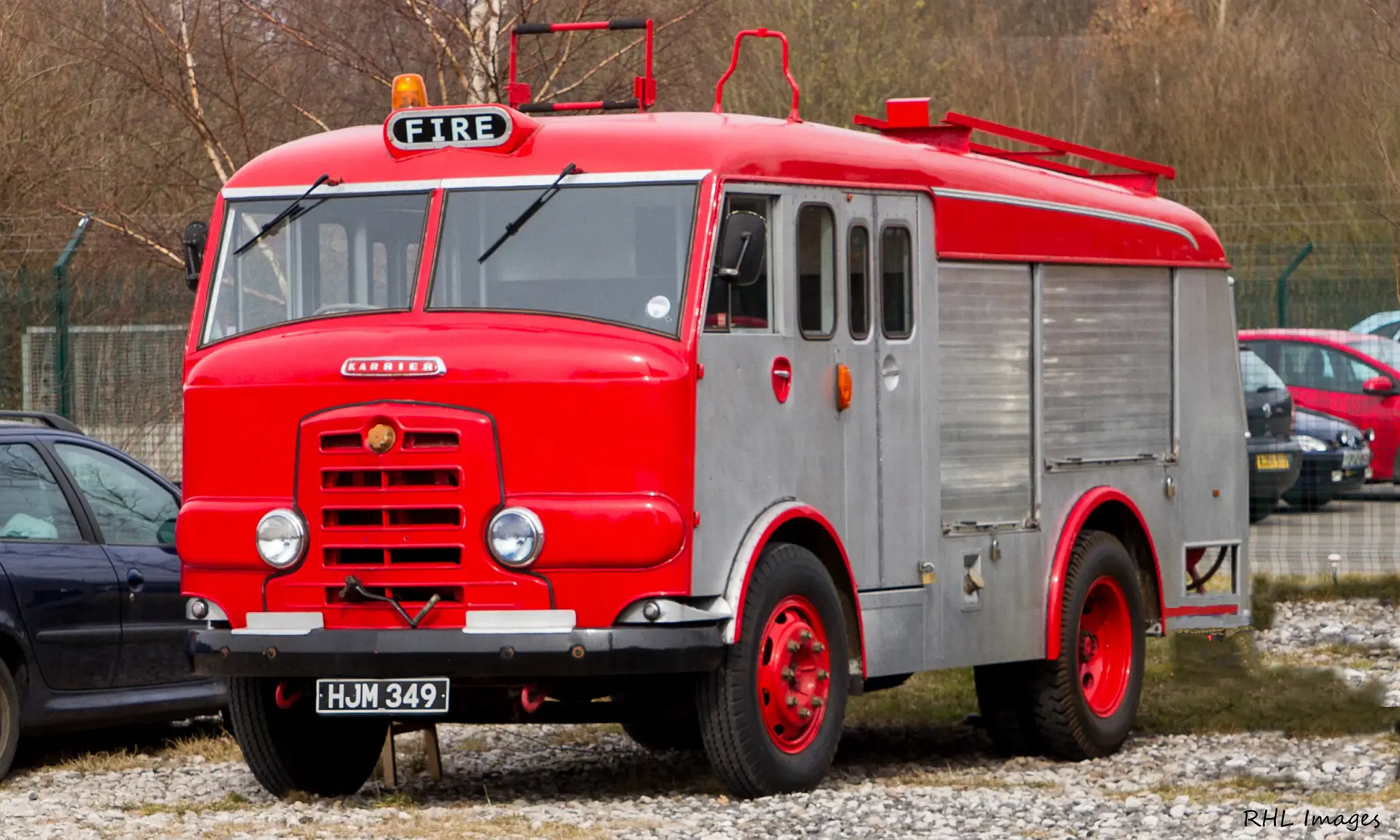
Karrier Gamecock water tender (1961): Russell Lee Photography from England, CC BY-SA 2.0, via Wikimedia Commons
Click image to enlarge
.jpg)
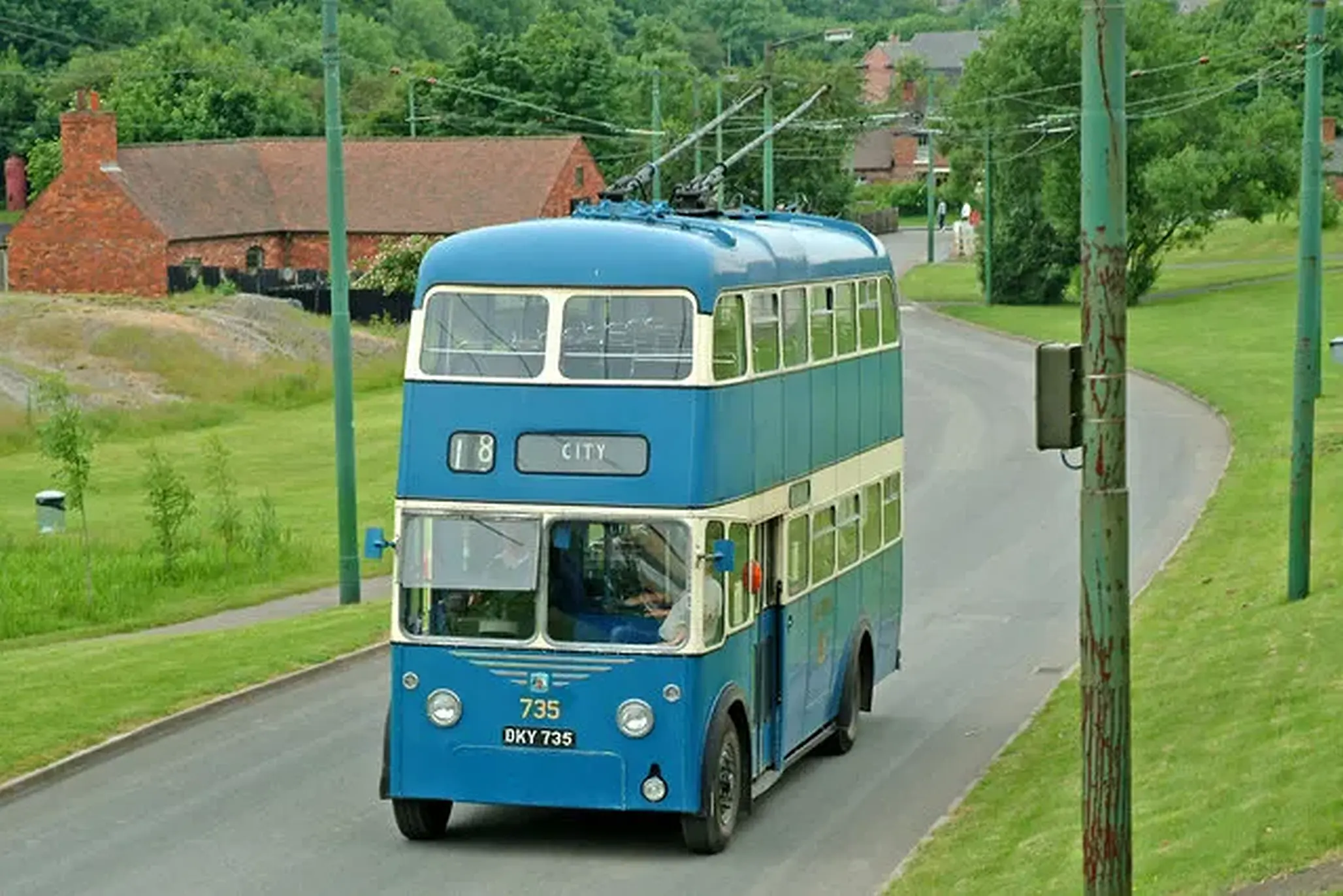
Karrier W trolleybus (1946): P L Chadwick - Bradford Trolleybus 735 at Black Country Living Museum
Click image to enlarge