London Buses

London buses are familiar throughout the world, but in recent years changes were made to comply with various environmental and safety laws, so now the buses that you see on the London streets are more efficient, cost-effective and safer. They just lack the charisma of the old RT amd RM London buses.
1829 – The First Horse-Drawn Omnibus #
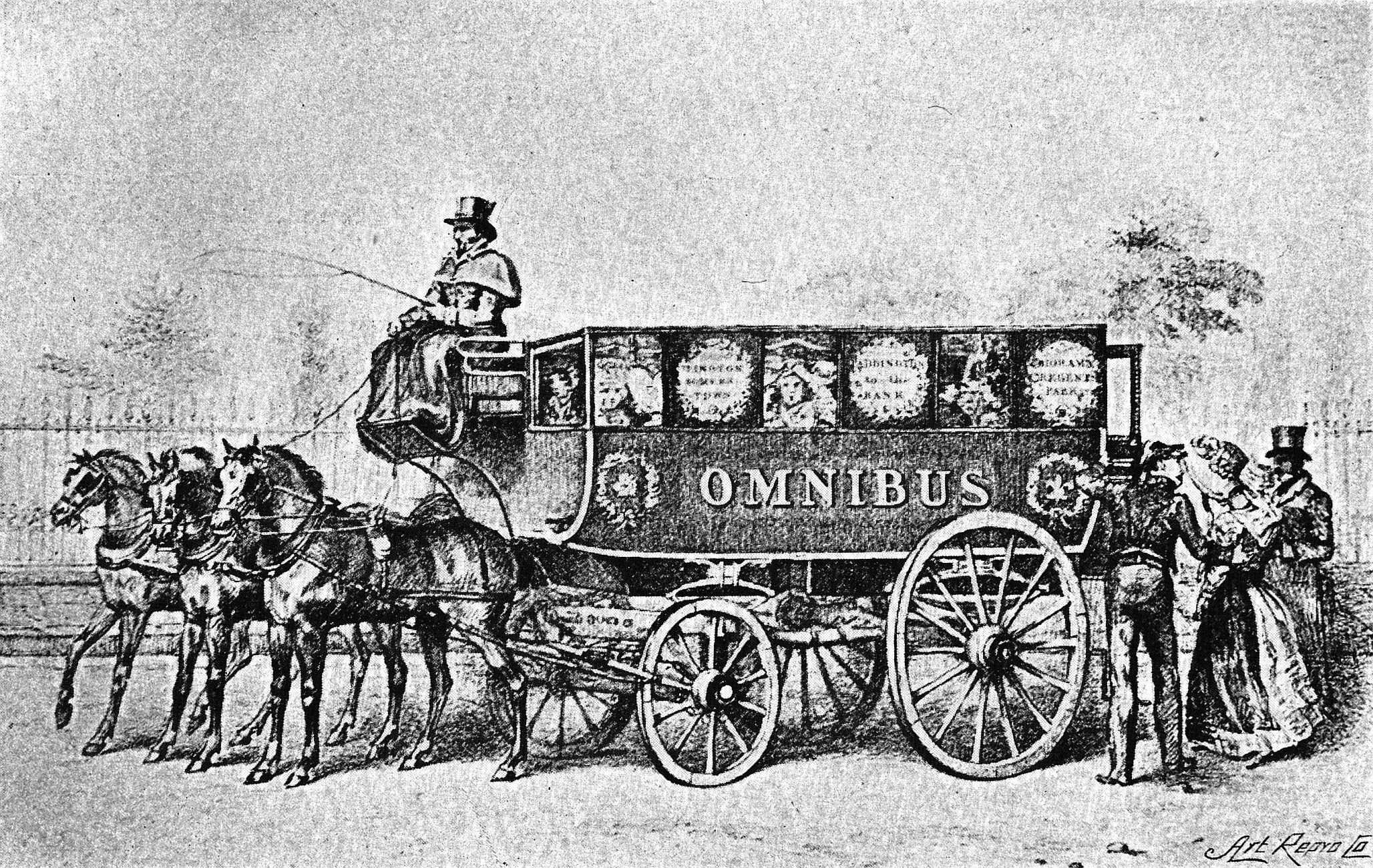
The first horse-drawn ominbus: See page for author, Public domain, via Wikimedia Commons
Click image to enlarge
- Operated by George Shillibeer.
- Service ran from Paddington to the Bank of England.
- Used horse-drawn coaches modelled after Parisian omnibuses.
1904 – LGOC’s First Motor Bus (Steam-Driven) #
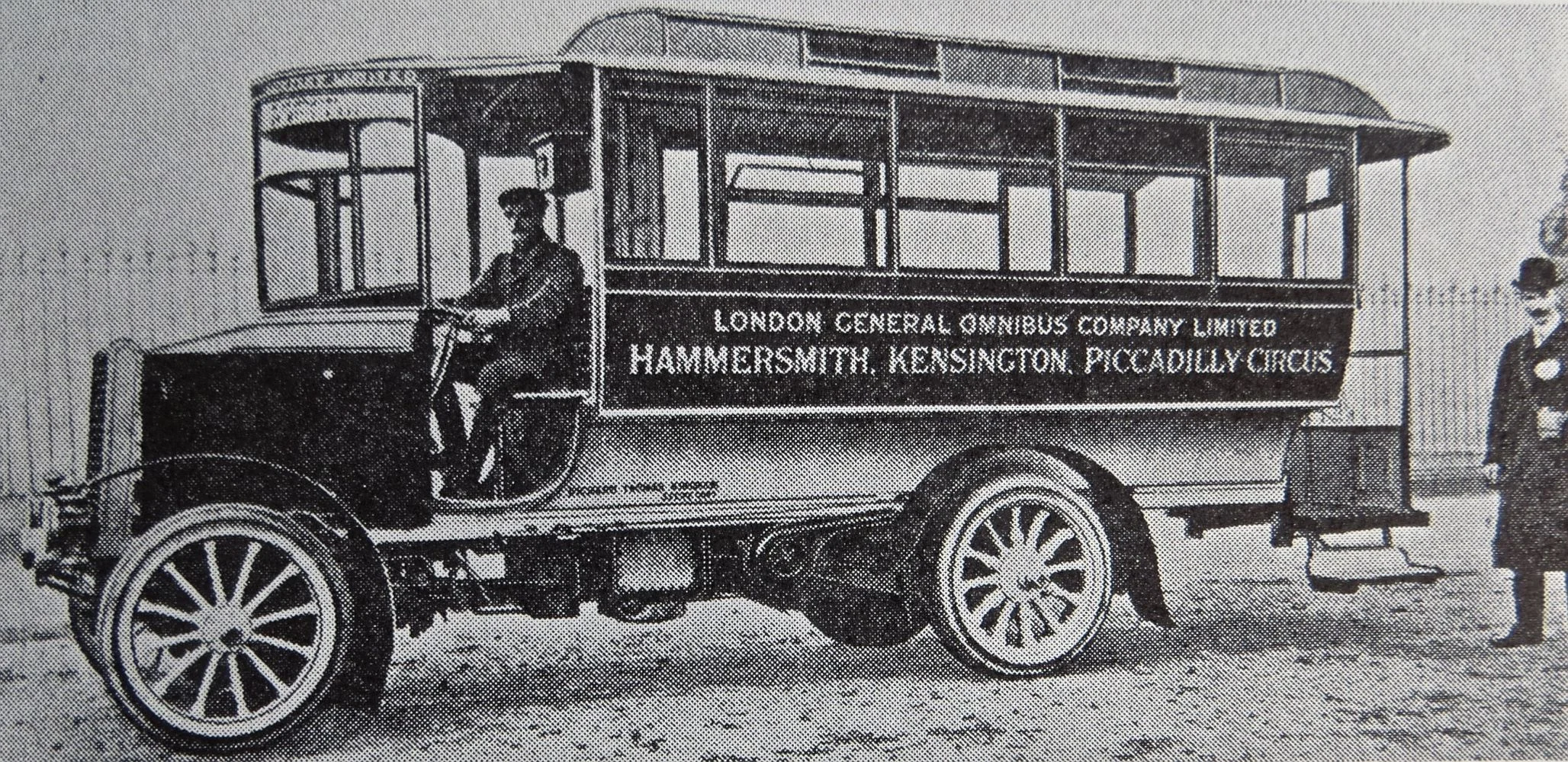
LGOC’s First Motor Bus (Steam-Driven): Charles E Lee, Public domain, via Wikimedia Commons
Click image to enlarge
London General Omnibus Company
- A 14‑seat steam-powered omnibus built by Clarkson of Chelmsford
- Operated by the London General Omnibus Company
- From 10 October 1904, LGOC began operating petrol-driven buses.
- Replaced many horse-drawn buses by 1911.
1909–1912 – Development of the B-Type Bus #
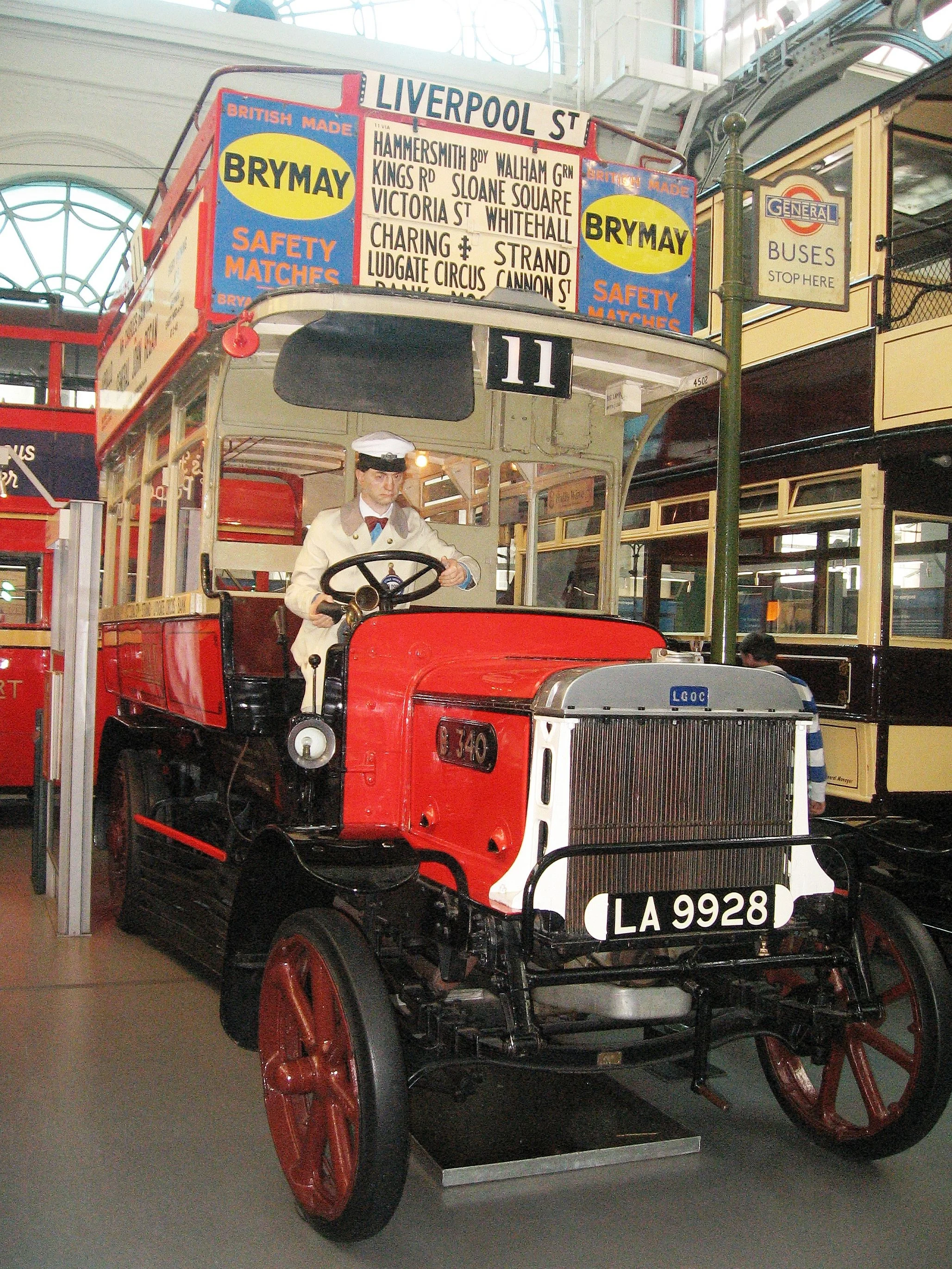
LGOC B-Type BusTimitrius from Great Britain, CC BY-SA 2.0, via Wikimedia Commons
Click image to enlarge
- First mass-produced motor bus.
- 34-seater, wooden body, open top deck.
- Capable of 16 mph.
- Over 2,500 built by LGOC.
1919 – AEC K-Type London Bus #

AEC K-Type bus: tony_duell, CC BY 2.0, via Wikimedia Commons
Click image to enlarge
- First modern-style double-decker in London
- Capacity: Around 46 passengers
- Wider than previous models (increased from 6 ft to 7 ft 6 in)
- Chassis: Designed specifically as a bus — not a converted lorry like earlier buses
- The K-type marked a shift from horse-drawn carriage style buses to more practical, motorized double-deckers.
1920 - AEC S-Type London Bus #
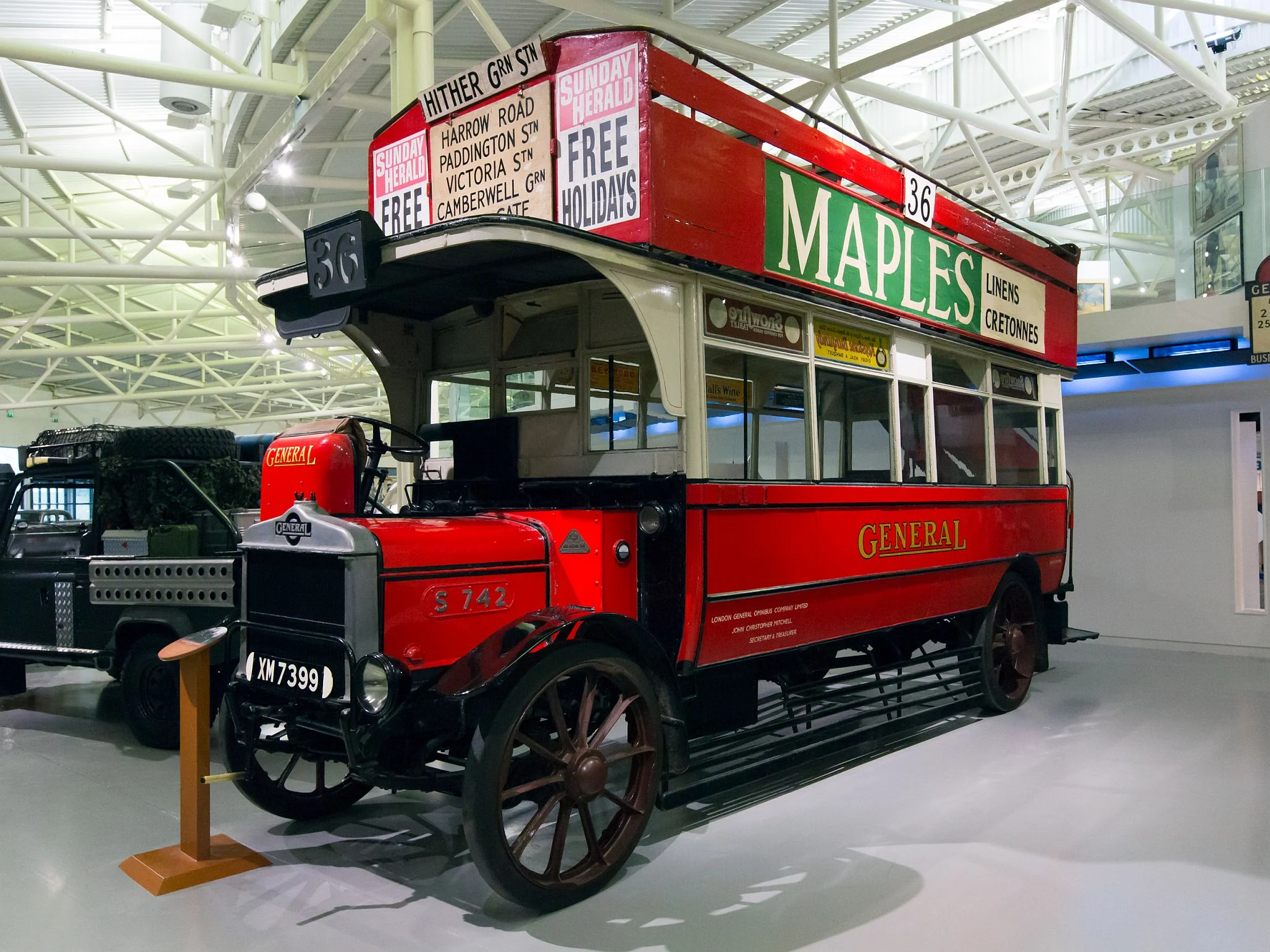
AEC S-Type bus: Morio, CC BY-SA 3.0, via Wikimedia Commons
Click image to enlarge
- Larger successor to the K-type
- Capacity: Up to 54 passengers
- Longer chassis — extended wheelbase
- Appearance: Very similar to K-type but longer and slightly higher
- open-top versions common
- Better load distribution and increased passenger comfort than the K-type
- The S-type was essentially a scaled-up K-type, designed to carry more people as London’s demand for buses grew.
1930s – STL-type Buses and Double-Deck Innovations #
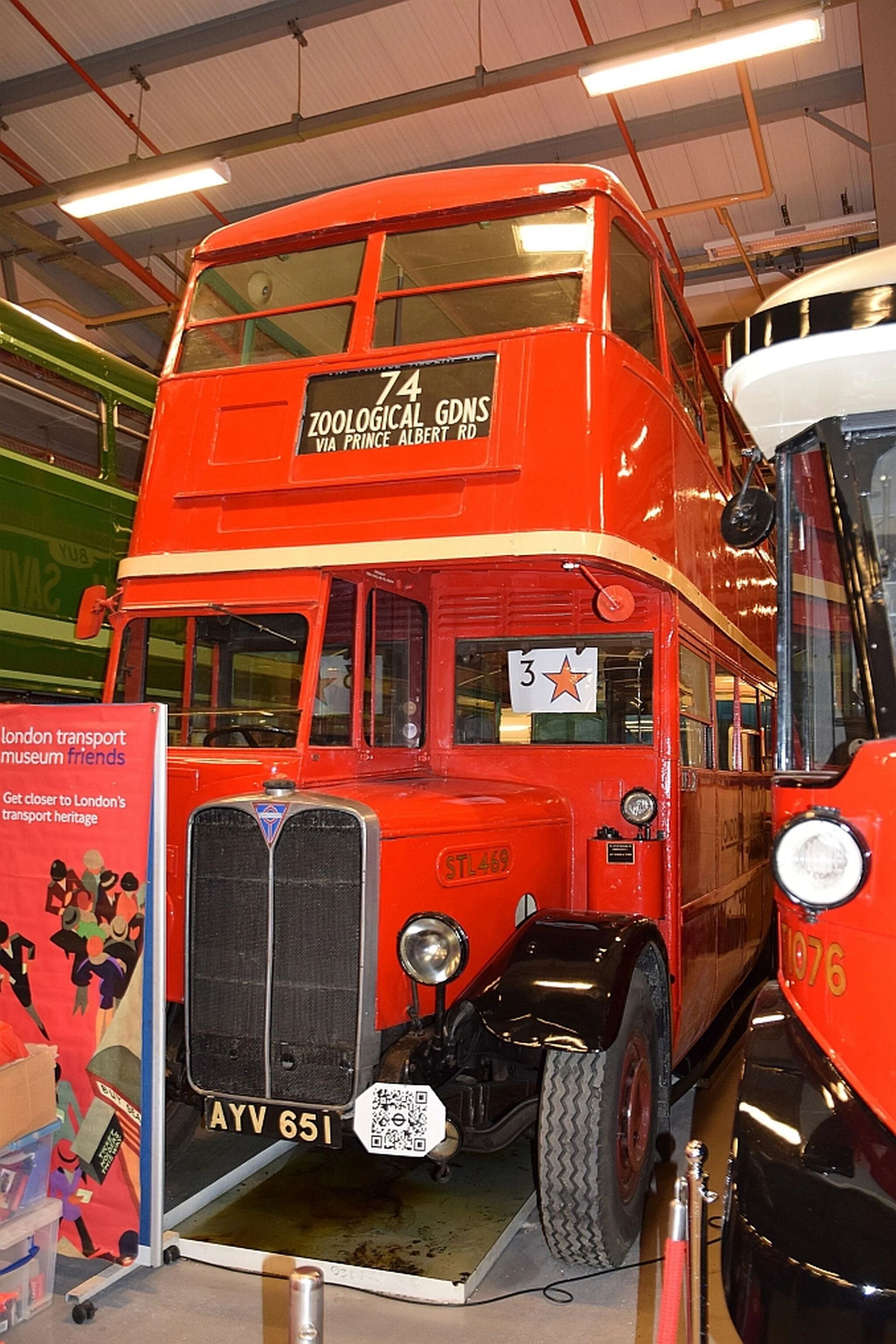
STL-type London bus: Hugh Llewelyn from Keynsham, UK, CC BY-SA 2.0, via Wikimedia Commons
Click image to enlarge
1940s – AEC Regent (RT-type) Bus #

London RT Buses: Chris Sampson, CC BY 2.0, via Wikimedia Commons
Click image to enlarge
,_RT2293_(KGU_322)_%26_RT3251_(LLU_610),_2009_Canvey_Island_bus_rally.webp)
- 1938 - The prototype RT1 is built by London Transport and AEC (Associated Equipment Company).
- Designed as a modern, streamlined replacement for the STL class.
- RT1 (the original prototype) is preserved at the London Bus Museum.
Video: The Aldenham Bus Overhaul Works #
Here is an excellent video posted by 8inklespup on YouTube.
1956 – AEC Routemaster (RM-type) #
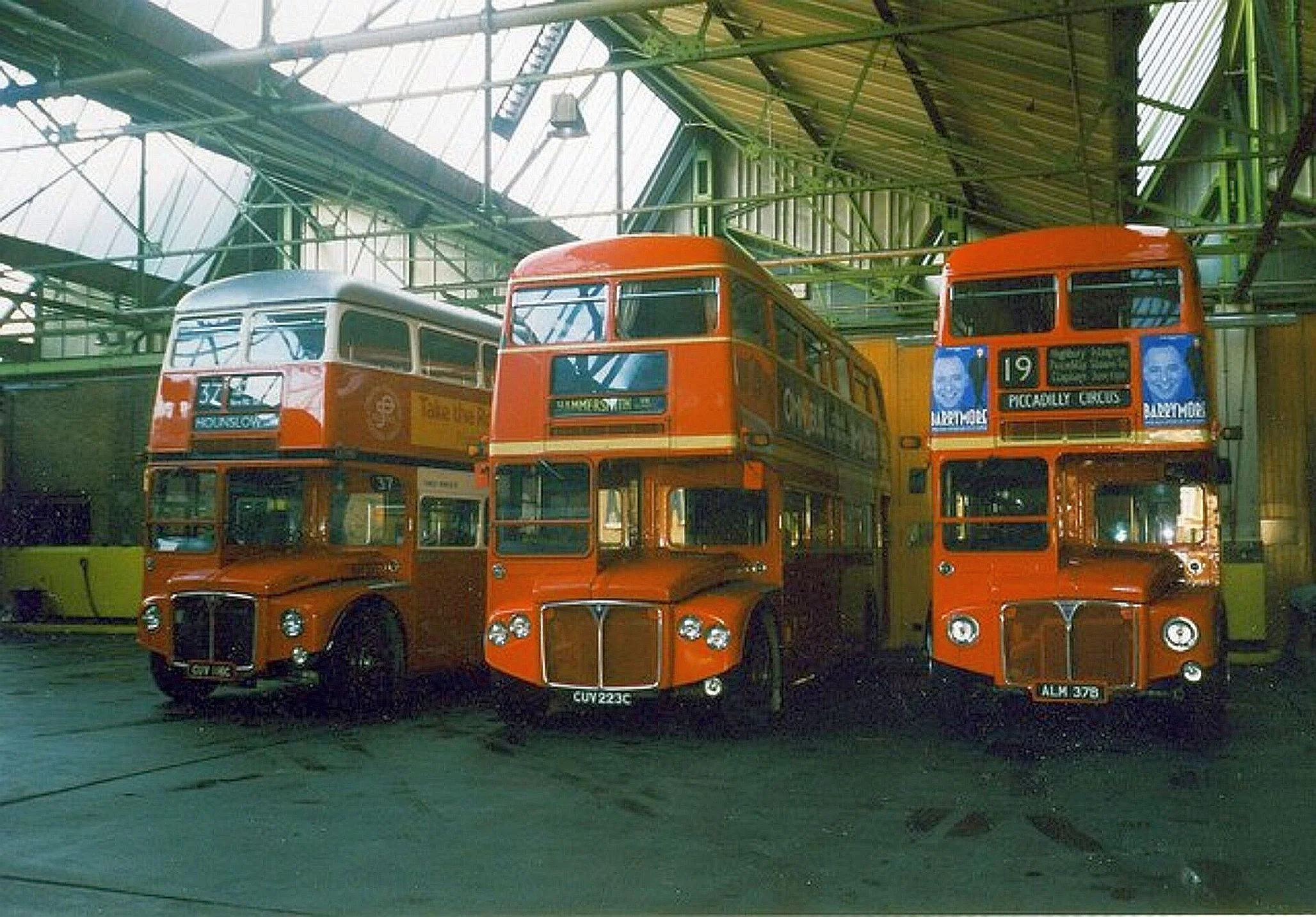
London Routemasters: Clive Warneford, CC BY-SA 2.0, via Wikimedia Commons

- 1954 – First prototype Routemaster RM1 completed by AEC and London Transport.
- Designed to replace the RT-type and modernize London’s bus fleet.
- RM1 is preserved at the London Transport Museum.
The Boris Bus - The New Routemaster (2012-2017) #
The last bus that retains the familiarity of the red London Bus. A very expensive bus that is being phased out. But it still has a lot of character and style which I like. I never got the opportunity to be a passenger on one of these buses and I hope I’m able to board one of them when I visit London.
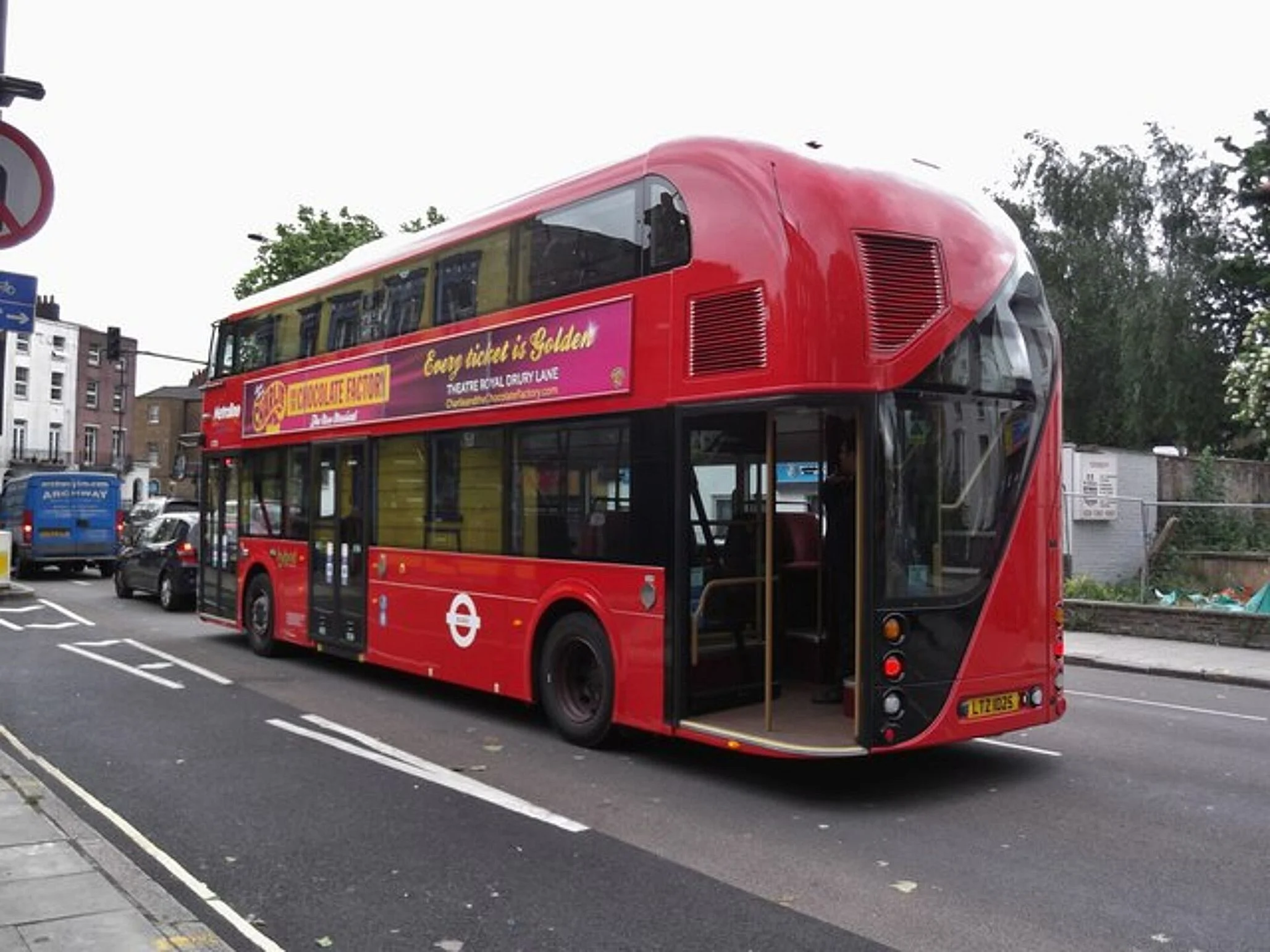
The Boris Bus: R Sones, CC BY-SA 2.0, via Wikimedia Commons
Click image to enlarge
,_route_24,_23_June_2013_uncropped.webp)
Timeline & Development
- 2008 – Mayor Boris Johnson promises to replace bendy buses and reintroduce a new-style Routemaster.
- 2009 – Design competition held by TfL; final concept developed by Heatherwick Studio (design) and Wrightbus (manufacturer).
Modern London Buses #
Here are two examples:
The Alexander Dennis Enviro400 #
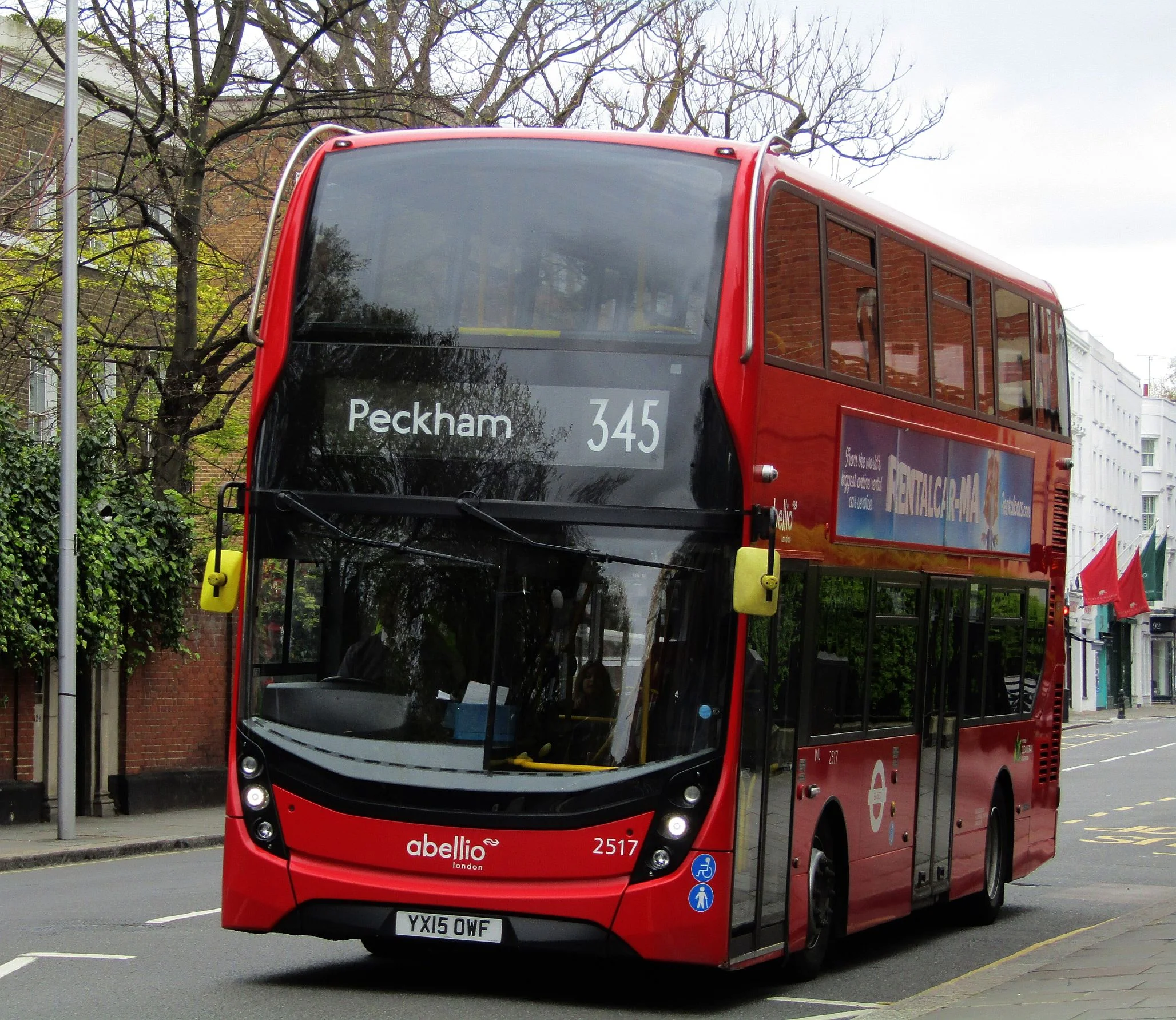
Alexander Dennis Enviro400: Koex73, CC BY 2.0, via Wikimedia Commons
Click image to enlarge
.webp)
- 2005 – The Alexander Dennis Enviro400 (E400) was launched as a fully integrated double-decker bus: chassis and bodywork by ADL.
The Wright Cadet #
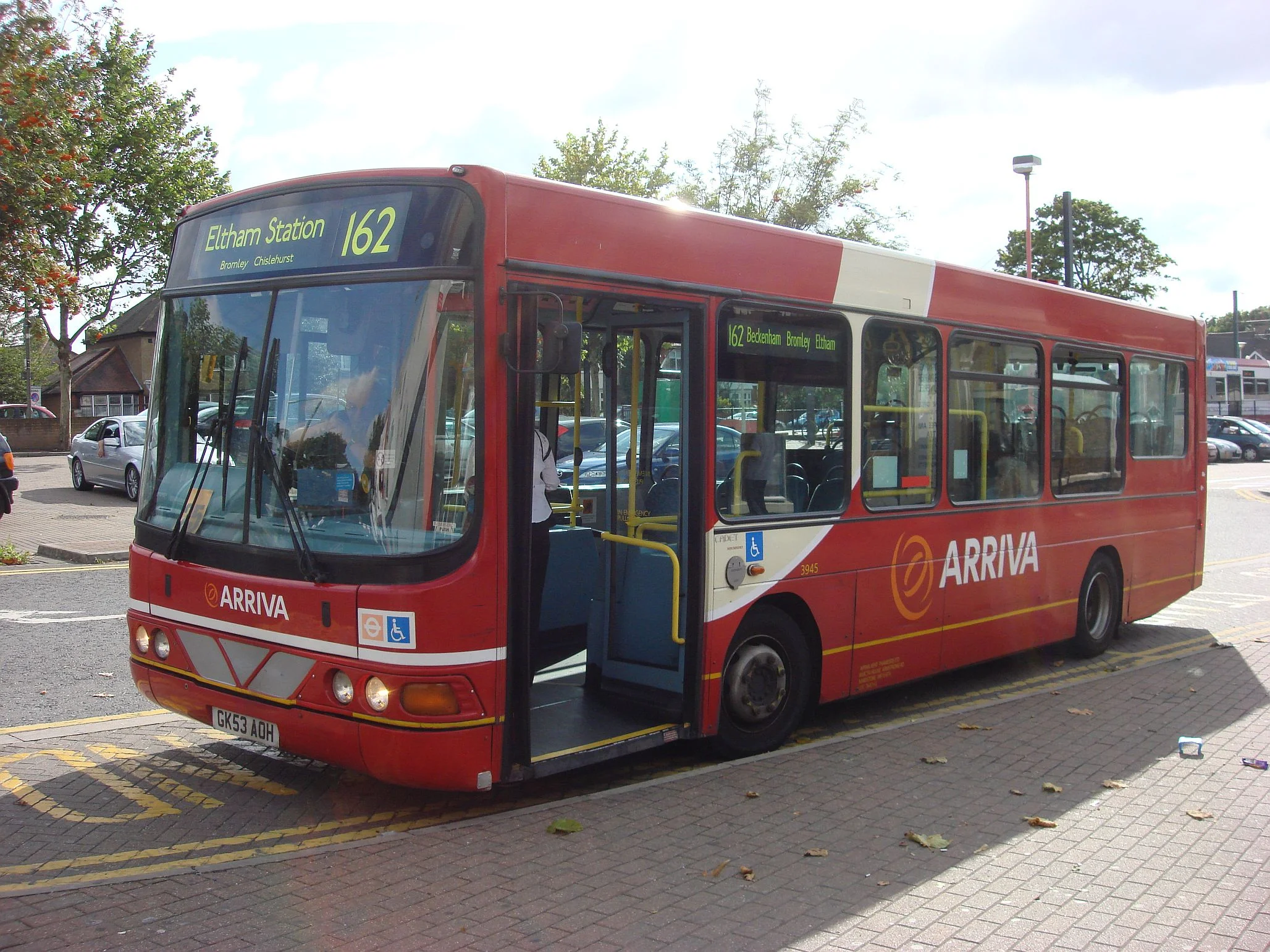
Wright Cadet bus: Oxyman, CC BY-SA 3.0, via Wikimedia Commons
Click image to enlarge

- Launched in 2000 by Wrightbus (Northern Ireland), built on the DAF SB120 chassis.
- Designed as a midibus – longer than a minibus but shorter than a full-size single-decker.
The Electric London Bus - Alexander Dennis Enviro200EV #
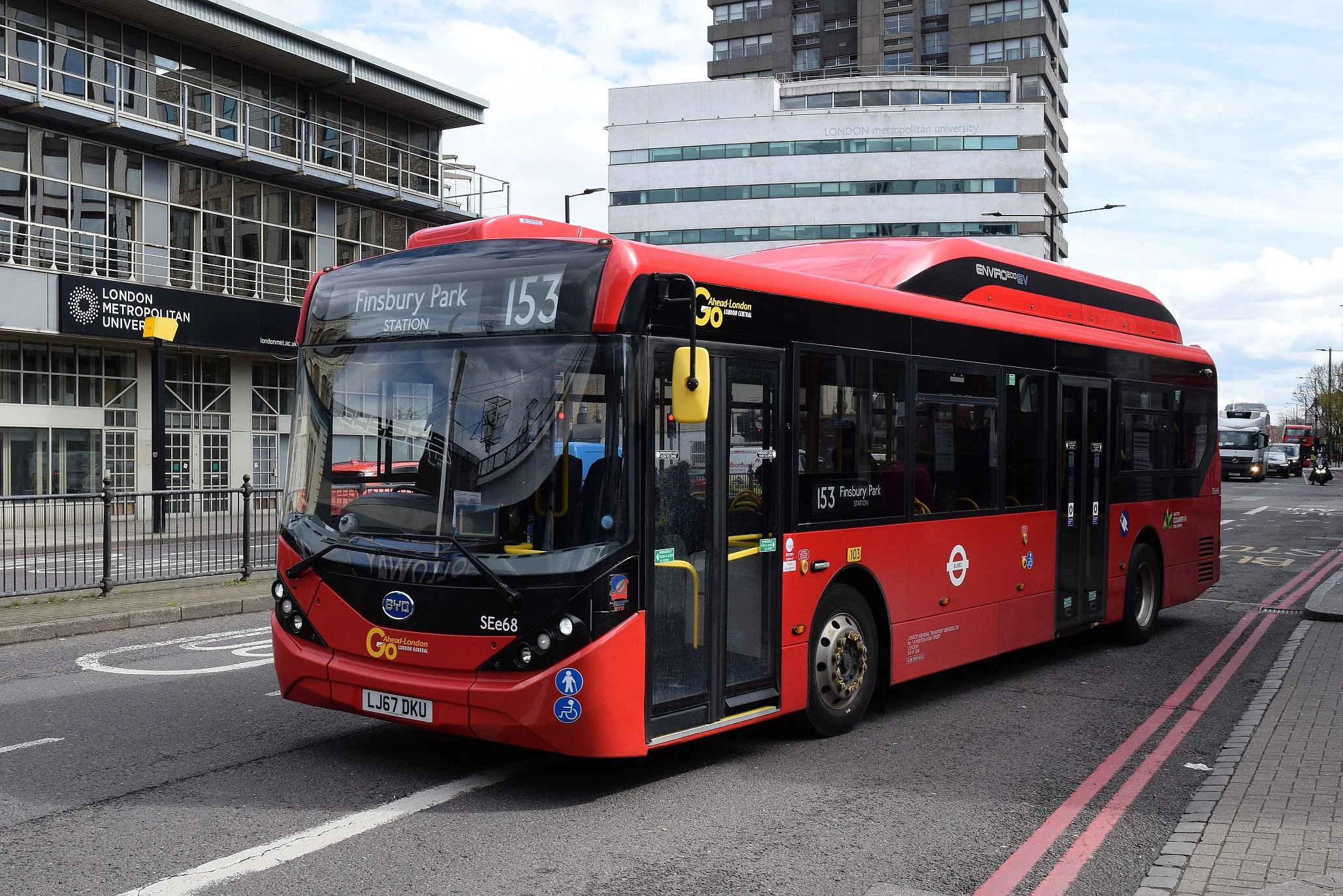
Alexander Dennis Enviro200EV London busHugh Llewelyn from Keynsham, UK, CC BY-SA 2.0, via Wikimedia Commons
Click image to enlarge
.webp)
- Manufacturer: BYD (a Chinese electric vehicle company) in partnership with Alexander Dennis Limited (ADL), a UK-based bus manufacturer.
- Capacity: Carry around 70 passengers, including both seated and standing spaces.
The Future of Public Transport in London #
There are various reports regarding the future of transport in London and the one that stands out with a detailed outline of where transport is heading, is the London Transport Museum’s report, Making Transport Fit for the Future.
Transport plays a pivotal role in addressing the challenges posed by the cost-of-living crisis and the climate emergency. It also holds the key to shaping a low carbon, equitable and economically prosperous future. This potential makes the focus of this report timely and highlights the need for urgent action. Annette Smith, Head of Future Mobility, Mott MacDonald You’ll find the links to the article and the report below.