Graham's of Paisley

Graham's Bus Services 85 at Hawkhead Station – 1970 by Alan Murray-Rust, CC BY-SA 2.0, via Wikimedia Commons

What was unique about Graham’s buses was that they were flexible. A bus would turn off down a quiet road to factory where the workers had just finished their shift. This was not the normal timetable, but Graham’s had instructed their drivers to turn down that road at that particular time of night. On another occasion when the M8 motorway was closed, Graham’s took their passengers to their destination via non-motorway roads, rather than cancel the service.
History of Graham’s Bus Service #
-
1920s: Founded as J & W Graham, operating red single-decker buses on the Johnstone–Glasgow route from Linwood Toll as part of the South Western Bus Owners’ Association.
-
1932: Sold its original fleet to Western SMT due to intense competition from Glasgow trams and buses; pivoted to a shorter Linwood–Hawkhead service using single-deckers.
-
1940: Began operating ex-Glasgow Leyland Titan TD1 double-deckers (7 in total) to meet rising passenger demand.
-
1953: Incorporated as Graham’s Bus Service Ltd.; adopted distinctive orange-and-cream livery inspired by Young of Paisley.
-
1944–1963: Standardised on Guy Arab double-decker buses, reputed for their reliability.
-
1963–1970s: With the opening of the Rootes/Linwood car plant, expanded services; extended routes to Penilee, Govan (connecting via subway), and Bridge of Weir (acquired in 1973).
-
Late 1960s–1970s: Modernised fleet with Daimler Fleetlines and Leyland Atlanteans; trialled single-decker Ford R1114 demonstrator in 1972 before adding Leyland Leopards.
-
1977: Partnered with Greater Glasgow PTE and Western SMT to launch the Linwood Clipper express via M8 motorway between Linwood and Glasgow.
-
1980s: Maintained around 30 vehicles by the 1980s, including a mix of double and single-decker buses.
-
1983: Briefly operated replacement Link Line buses after closure of Kilmacolm railway line, before later withdrawal.
-
1986: Deregulation era – Faced increasing competition due to deregulation, putting pressure on smaller independents.
-
March 1990: Business was listed for sale (with 30 buses and 69 jobs at stake) but failed to find a buyer.
-
29 April 1990: Ceased operations after about 60 years; Western Scottish and Strathclyde Buses absorbed most routes.
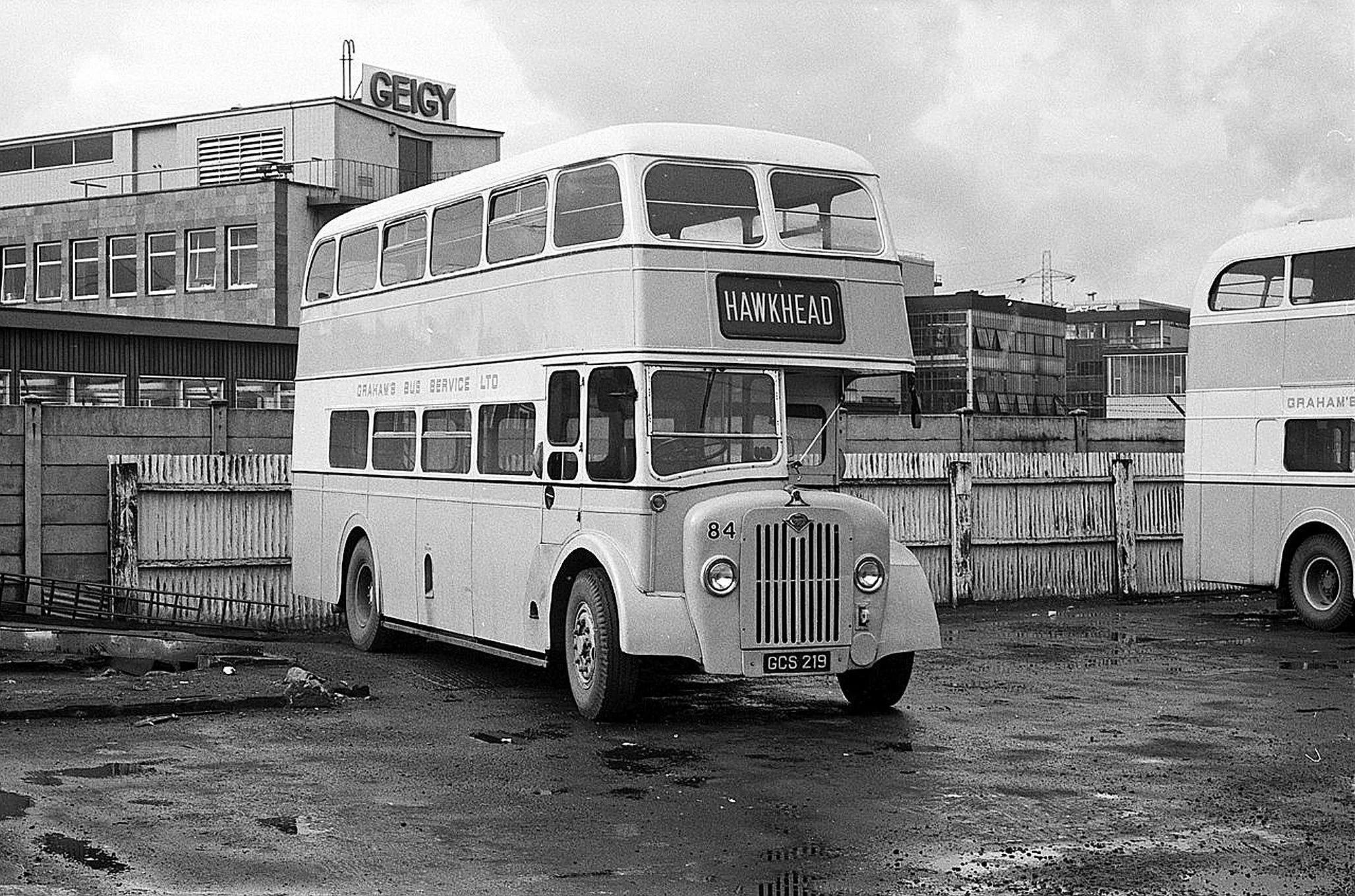
Graham’s Bus Service garage, Hawkhead, Paisley – 1970 by Alan Murray-Rust, CC BY-SA 2.0, via Wikimedia Commons
Click image to enlarge

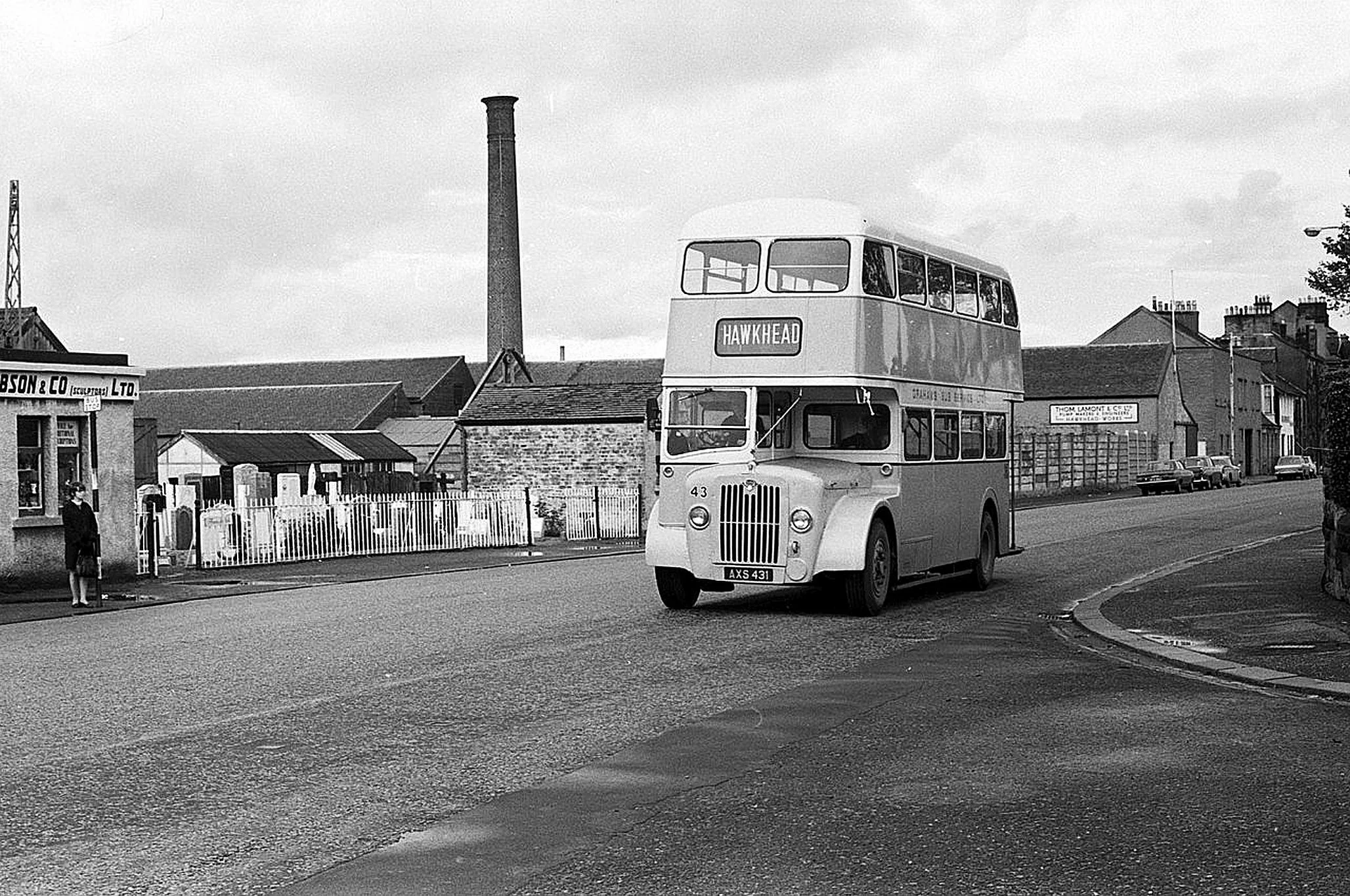
Graham’s bus passing Hawkhead Cemetery, Paisley – 1970 by Alan Murray-Rust, CC BY-SA 2.0, via Wikimedia Commons
Click image to enlarge

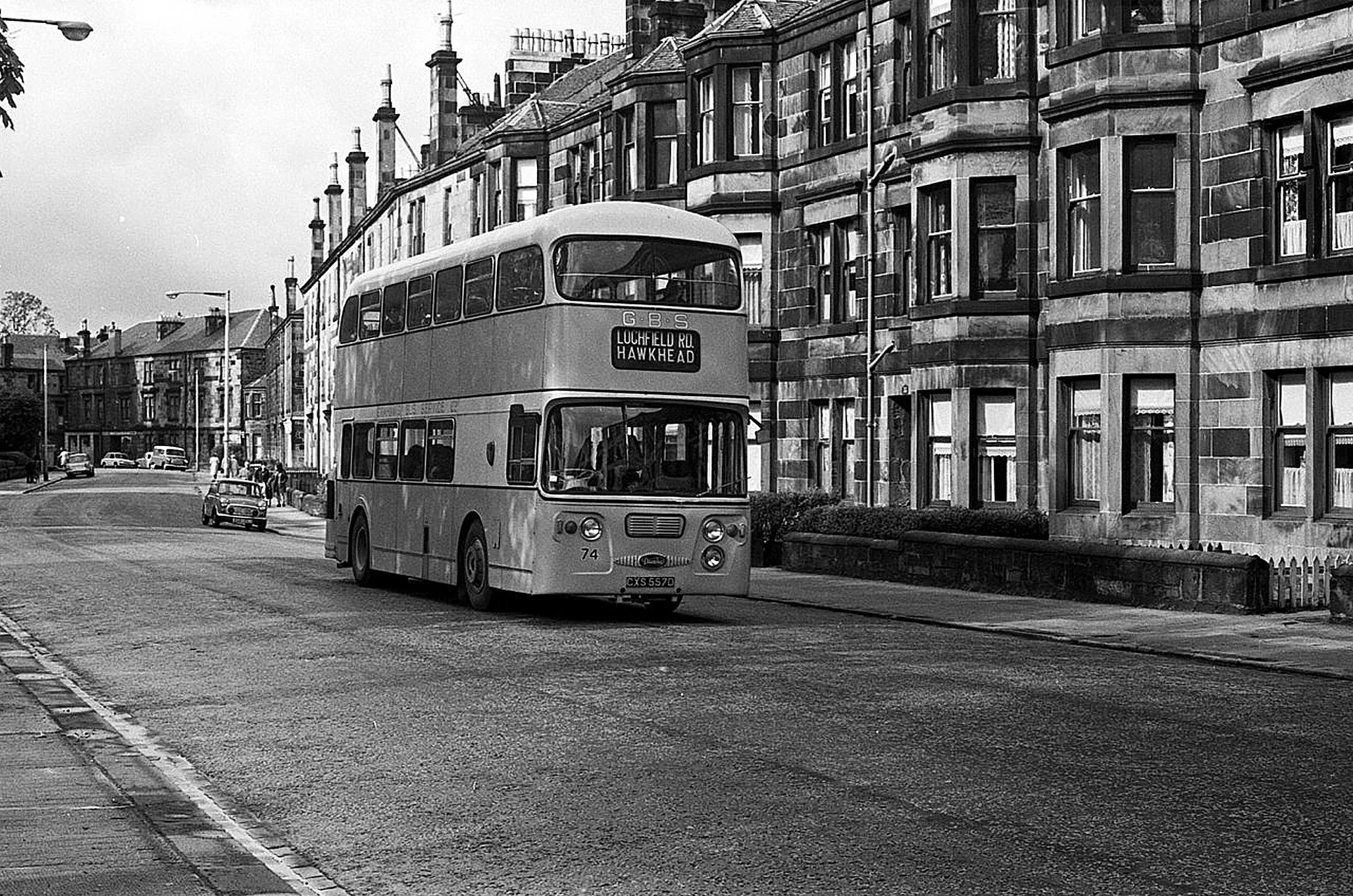
Graham’s bus on Seedhill Road, Paisley – 1970 by Alan Murray-Rust, CC BY-SA 2.0, via Wikimedia Commons
Click image to enlarge
